
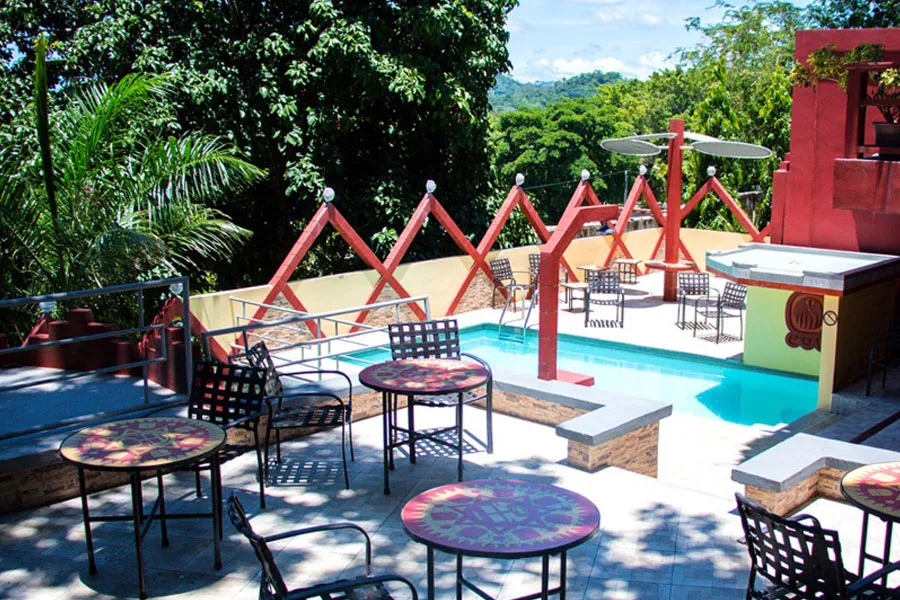
Hotel Maya Vista
“The best lookout over the whole Bay of Tela: 9 rooms with a sea view, pool, restaurant and bar, 400 m from the beach.”
From approx.US$ 94 /night2 people · varies by date
See hotelIf you have crossed the bay by boat to Punta Sal, or seen the howler monkeys in the forest of the peninsula, you owe something to Jeannette Kawas. Without her that park probably would not exist, or it would be something else: lots, fences, palm plantations.
Blanca Jeannette Kawas Fernández was from Tela. She was born here on January 16, 1946, and she was killed here on February 6, 1995, for defending the bay. The park that bears her name today, Jeannette Kawas National Park (Punta Sal), is the best way to understand who she was.
Nothing in her early years pointed to an environmental leader. She graduated in commerce and public accounting in 1967 and spent the seventies working at financial institutions. In the early eighties she moved with her children to New Orleans, where she studied computing. When she came back to Honduras, in the nineties, she began working with the Honduran Ecology Association, and from then on she did not stop.
In 1990 PROLANSATE, the Foundation for the Protection of Lancetilla, Punta Sal and Texíguat, was founded in Tela. The idea was simple to say and hard to do: look after the natural areas around the bay and, at the same time, improve the lives of the people who live in them. Jeannette became its president and gave it a strength no one expected.
She denounced illegal logging, named those who were damaging the protected areas and stood up in public against the projects that threatened the coast. What was at stake was enormous: some 40 kilometers of lagoons, wetlands, mangroves and beaches, with hundreds of species of plants and animals. And many people wanted that same land, for very different reasons: land for African palm, tourism projects, plots that might one day be worth a fortune. Saying that nothing there could be touched meant standing up to all of them at once. She knew it, and she kept going.
In Tela the campaign caught on. The singer-songwriter Guillermo Anderson came to perform a song asking for Punta Sal to be made a national park. In December 1994 Congress approved Decree 154-94, and Punta Sal was, at last, a national park.
The fight did not end with the decree. A few days before she died, Jeannette organized a march in Tela against a government plan to hand out property titles inside the newly created park. On the night of February 6, 1995, at around 7:45, she was working at her home in the El Centro neighborhood when she was shot in the back of the head. She died on the spot. She was 49. Neighbors saw two young men in a white pickup near the house.
What came after hurts almost as much. The investigation barely moved. As early as 1996 a police report warned that the case touched “very big interests”. In 2003 the prosecutor’s office linked the crime to her environmental work and spoke of evidence that State officials had taken part in planning it and in holding back the investigation. More than thirty years later, no one has been convicted.
In 2003 two human rights organizations took the case to the Inter-American Commission. In 2009 the Inter-American Court of Human Rights ruled in the case of Kawas Fernández v. Honduras: it found the State responsible and ordered it to make reparations. The ruling is still cited all over Latin America whenever people talk about protecting those who defend the environment.
One of those reparations stands in downtown Tela: the Jeannette Kawas monument, unveiled in May 2025 in the Parque a la Madre. The organizations that follow the case say it plainly: finding and punishing those responsible is still a debt the State owes.
Those who killed her wanted to silence her, and they got the opposite. Her name traveled across Honduras and beyond, and with it people learned what there was in Punta Sal. The park was renamed Blanca Jeannette Kawas Fernández National Park, and that same year, 1995, it was added to the Ramsar list of wetlands of international importance.
Today, every time someone walks through the forest of Punta Sal, takes a boat across Los Micos Lagoon or looks at a coral in the bay, they are enjoying what she defended with her life. If you are passing through Tela, it is worth stopping for a moment in front of her monument in the Parque a la Madre, and then going to the park. We tell you how on the Jeannette Kawas National Park page and in tours in Tela.
The song Guillermo Anderson sang in Tela for Punta Sal was never published online. The one you can listen to is “Áreas Protegidas” (Protected Areas), which he wrote years later for the 2011 and 2012 national conservation campaign, and in which Punta Sal appears among the country’s parks.
Blanca Jeannette Kawas Fernández (Tela, 1946 - 1995) was a Honduran environmentalist and president of the PROLANSATE foundation. She pushed for the creation of Punta Sal National Park, which today bears her name.
She was shot dead at her home in the El Centro neighborhood of Tela on the night of February 6, 1995. She was 49.
No. More than 30 years later, no one has been convicted. In 2009 the Inter-American Court of Human Rights found the State of Honduras responsible for the failures of the investigation and ordered reparations.
In Tela's Parque a la Madre. It was installed in 2025 as one of the measures ordered by the Inter-American Court.
“The best lookout over the whole Bay of Tela: 9 rooms with a sea view, pool, restaurant and bar, 400 m from the beach.”
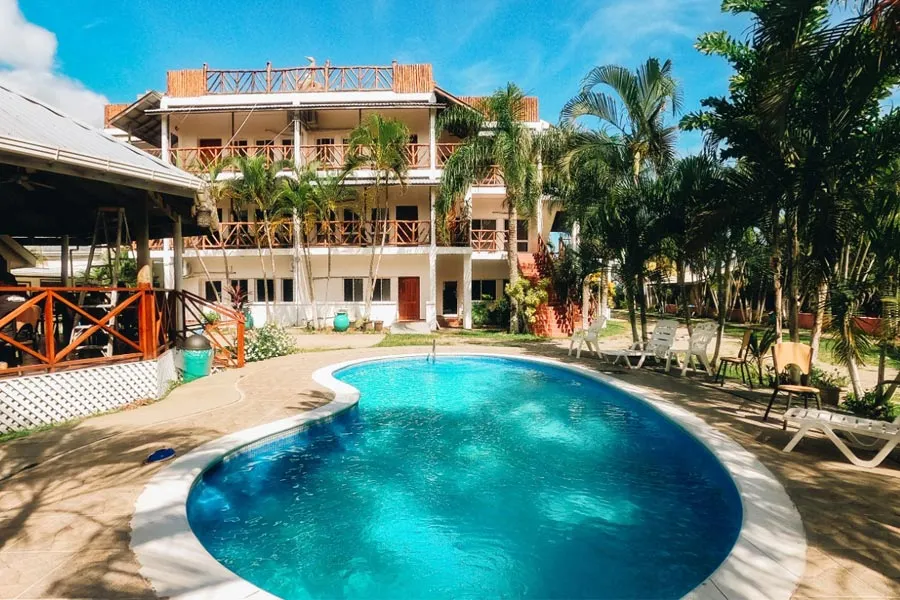
“A wide, clean beach far from the crowds, about 8 minutes by car from downtown. Pool, restaurant, bar and suites with a fridge.”
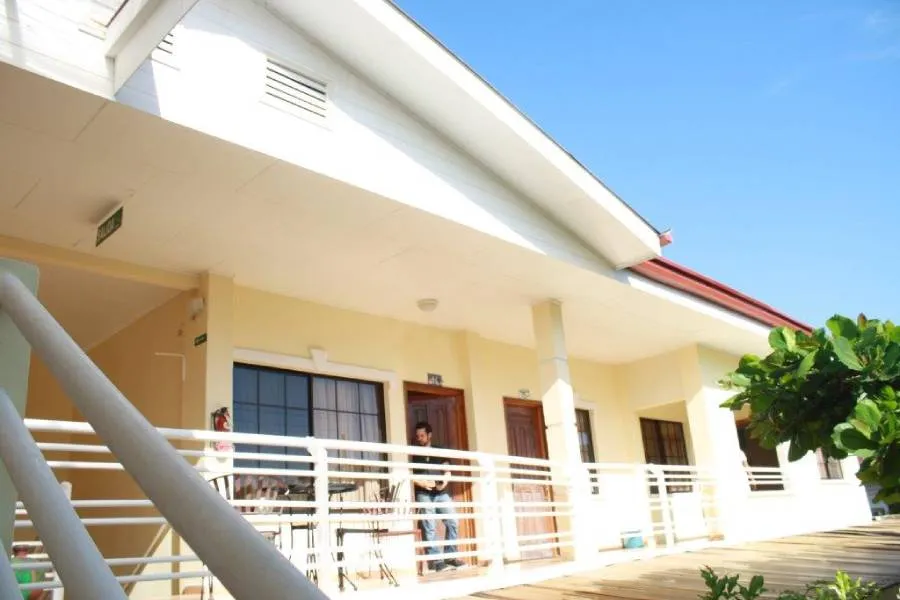
“Fresh fried fish, Garifuna style. 17 rooms and a pool, a block from the beach and a few steps from the Zona Viva.”
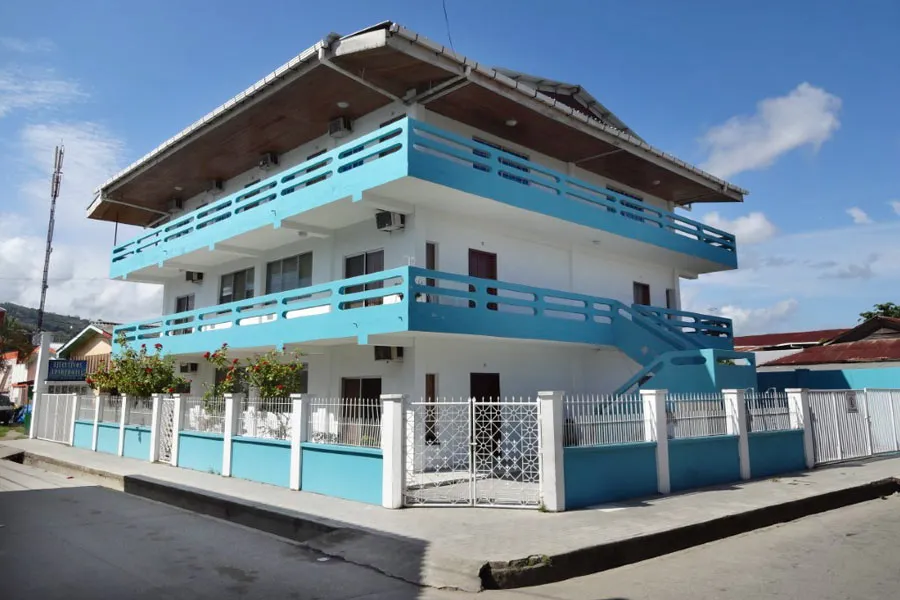
“Apartments with a kitchenette, two blocks from Central Park and three from the beach. Private parking, 24-hour security, wifi and A/C.”
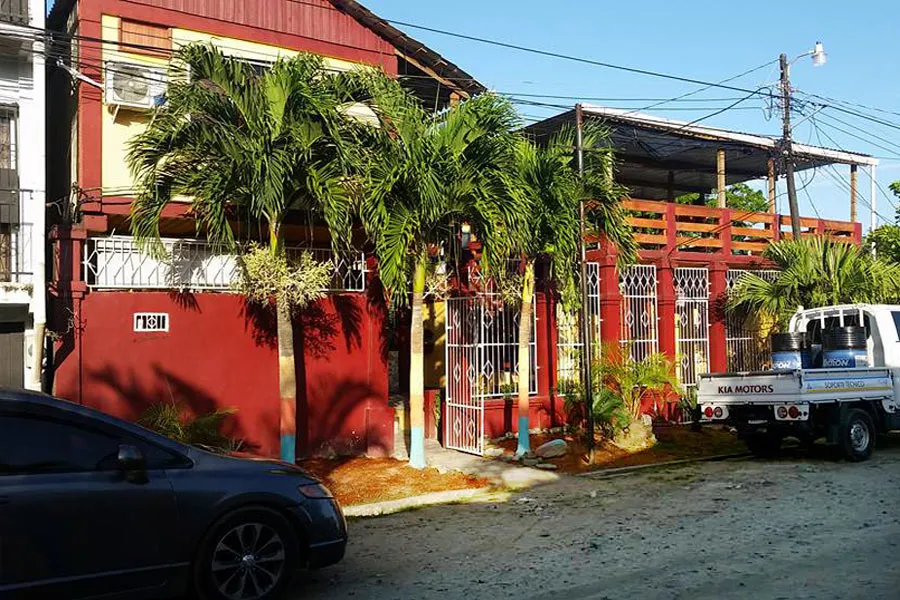
“Terrace with hammocks and a partial sea view, half a block from the beach. Inner garden, restaurant, bar and air conditioning.”
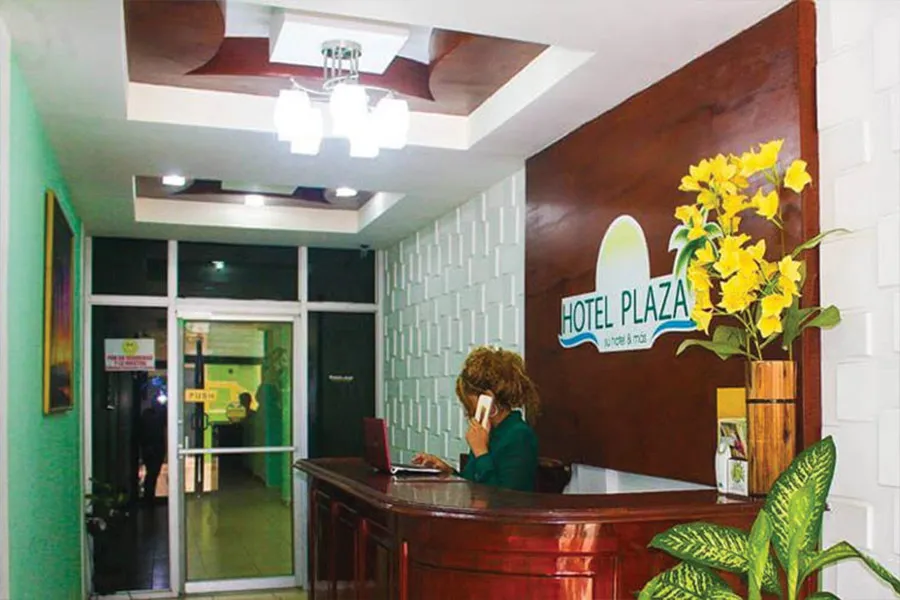
“One of the cheapest we know: simple but pleasant, 3 blocks from the park and 4 from the beach. Parking and wifi.”
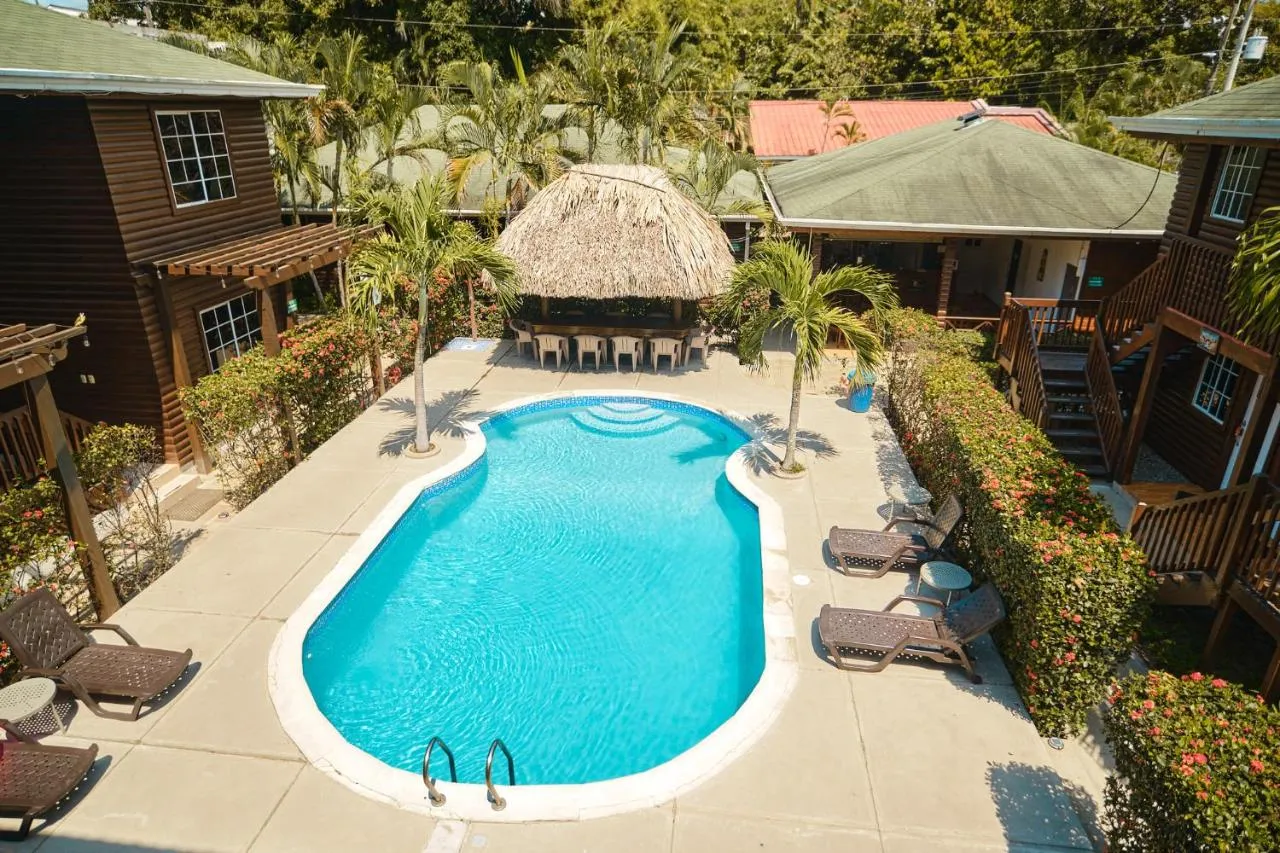
“Two-story wooden cabins around the pool, with a restaurant, bar and garden, about 100 meters from the beach.”
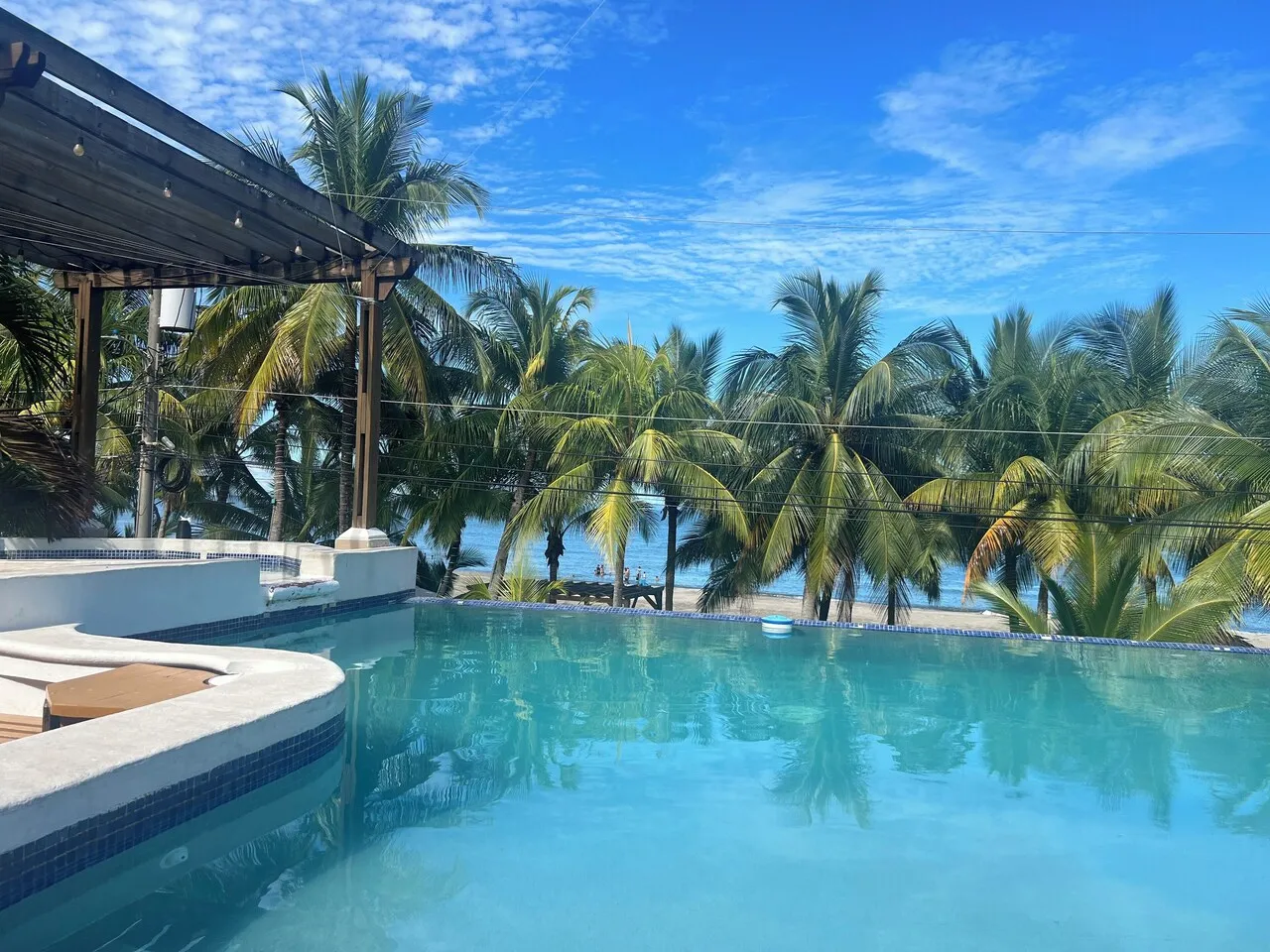
“On the sea, on the pedestrian street: pool with a sea view, breakfast included, restaurant and bar, 3 minutes from the park.”
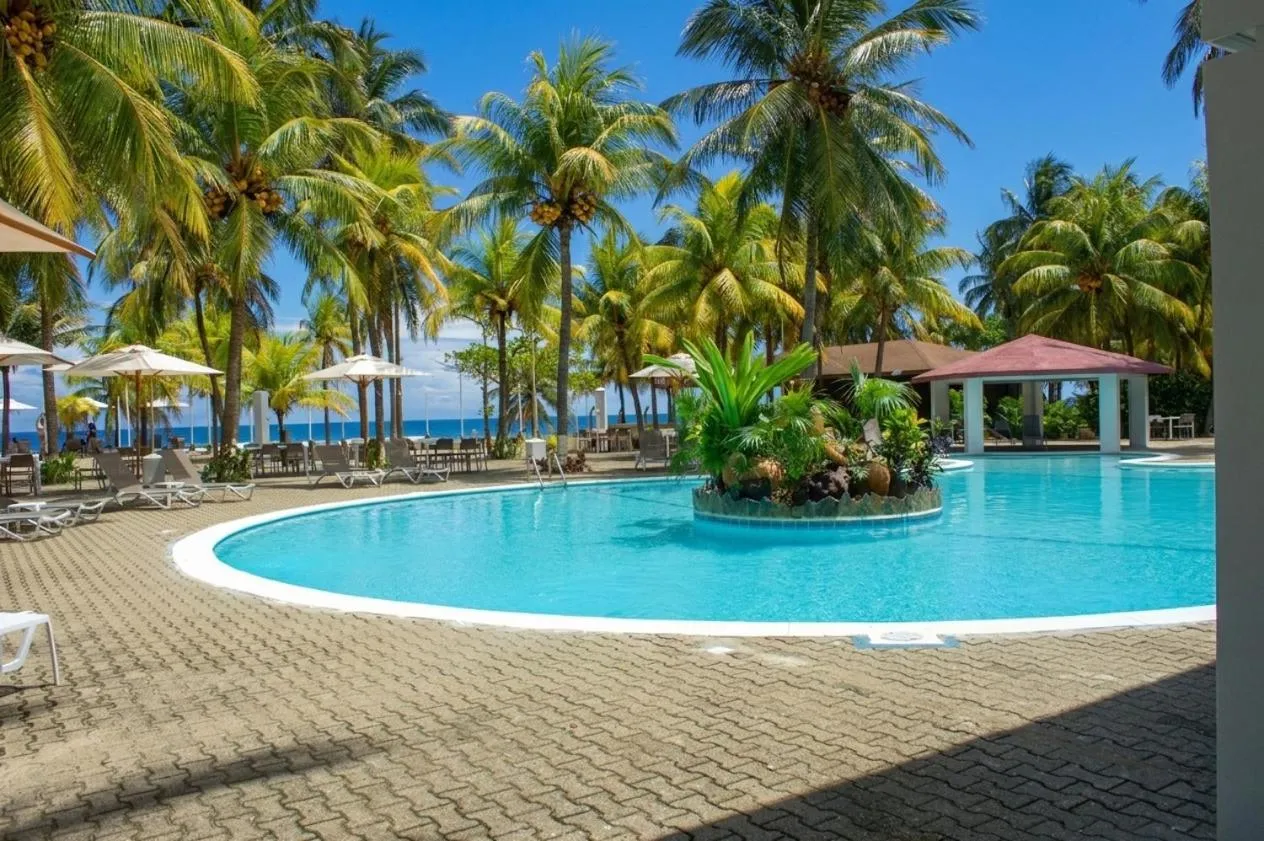
“4-star beachfront hotel next to the Garifuna village of San Juan, with 2 pools among palm trees, 2 restaurants and a bar.”
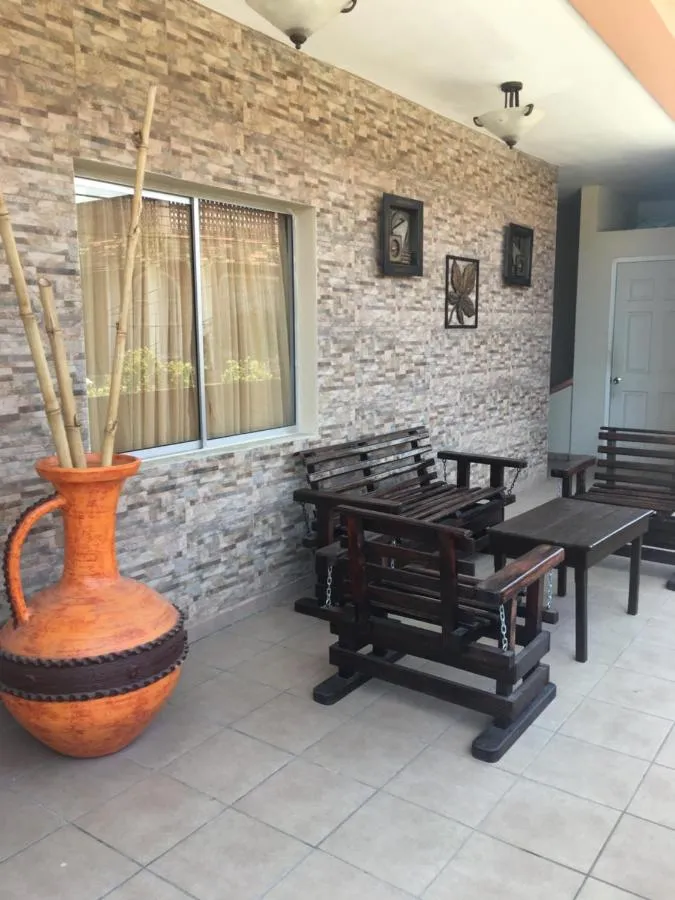
“Two-bedroom apartments with a kitchen, living room and terrace, about 300 meters from the beach. 24-hour front desk and free parking.”
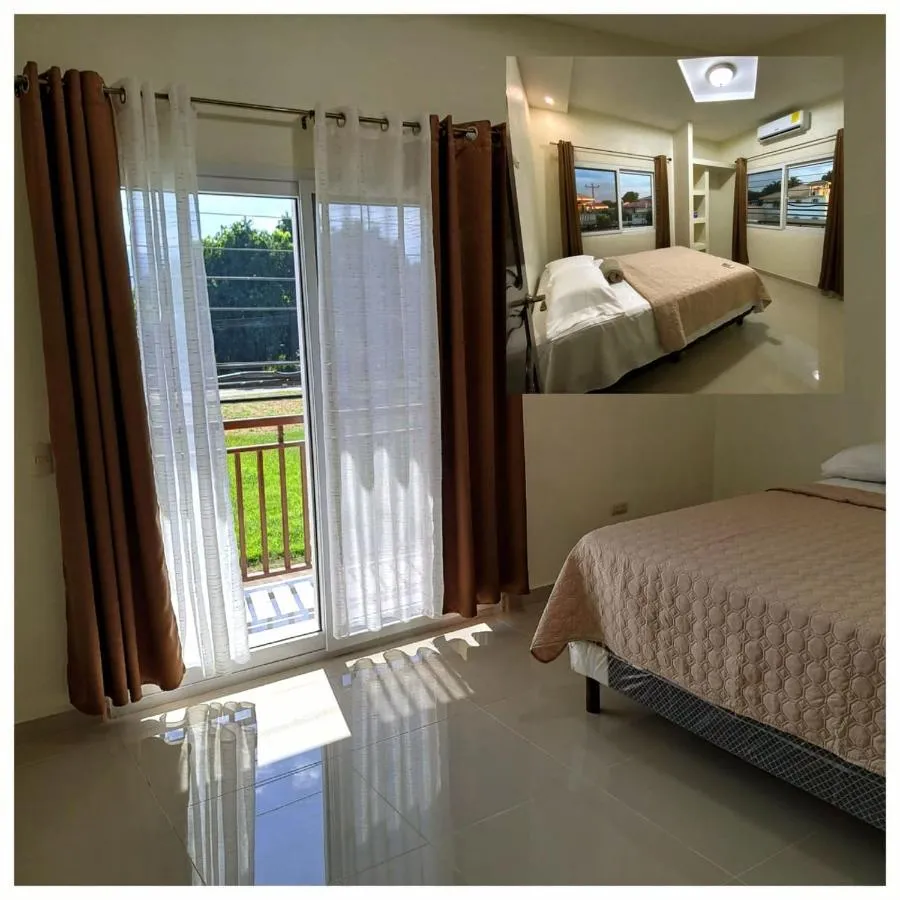
“New two-bedroom apartments with a kitchen and terrace, in the Porto Bello residential area, about 600 meters from the beach.”
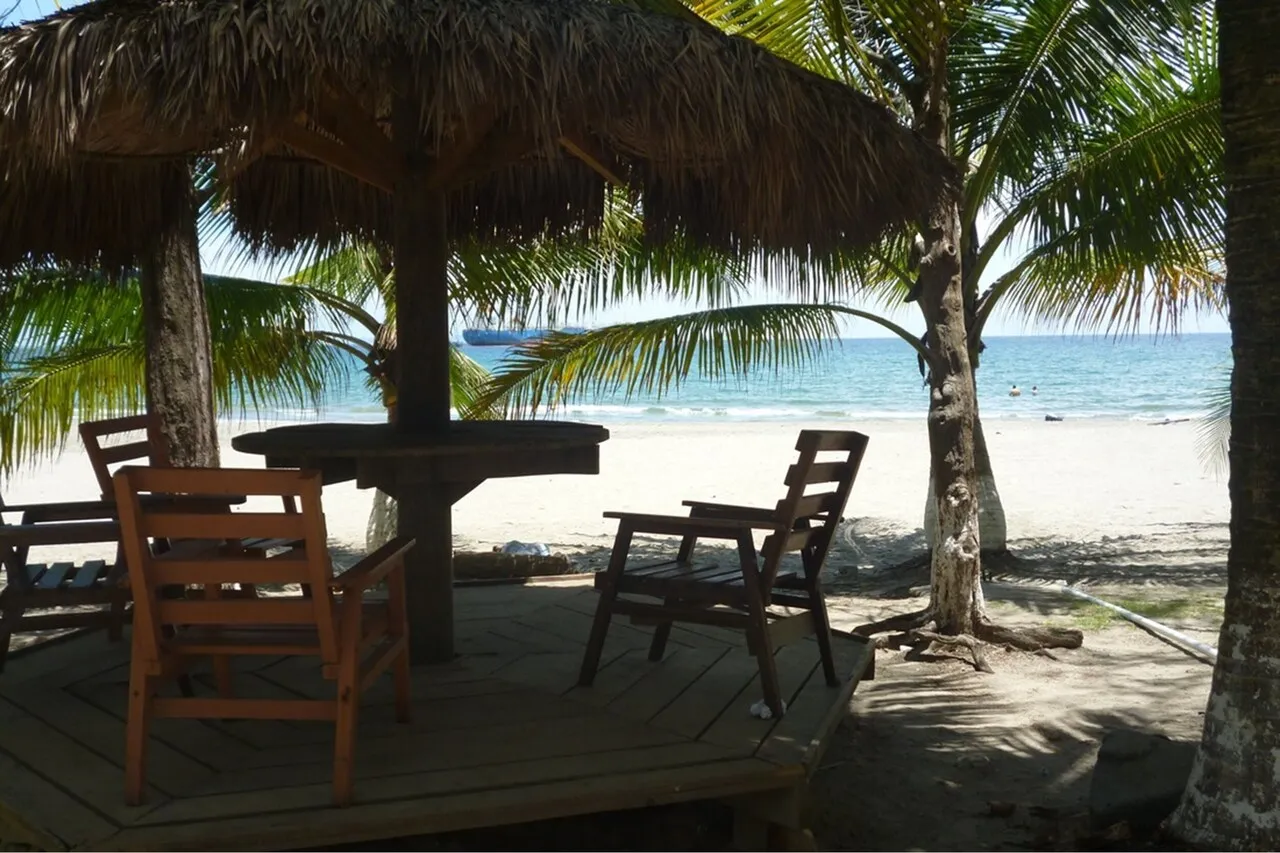
“Wooden hotel on the pedestrian street, with a pool, local breakfast included, restaurant, bar and massages, near the park.”
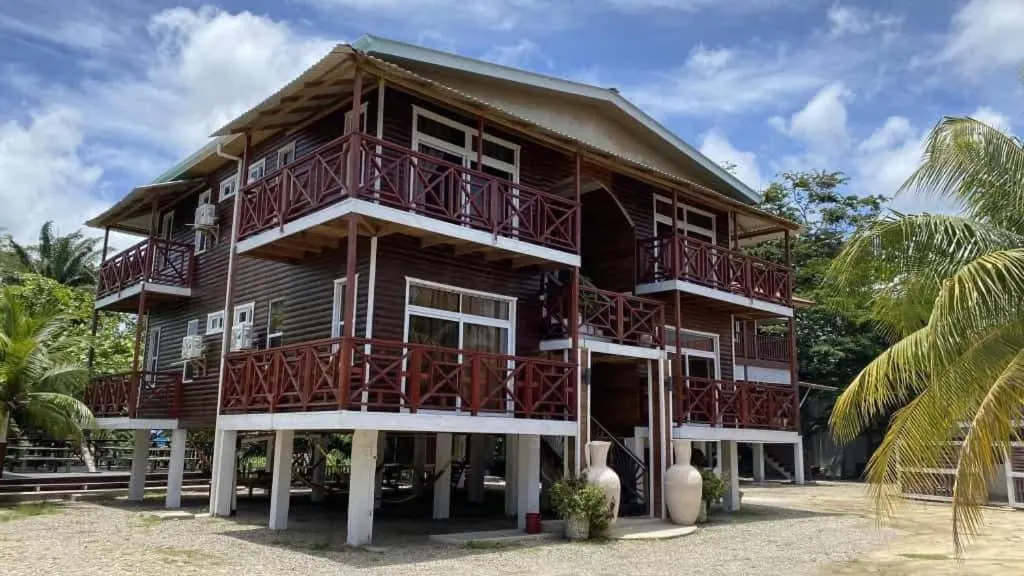
“Wooden building with balconies and river views, 200 meters from the beach downtown. Restaurant, garden and free parking.”
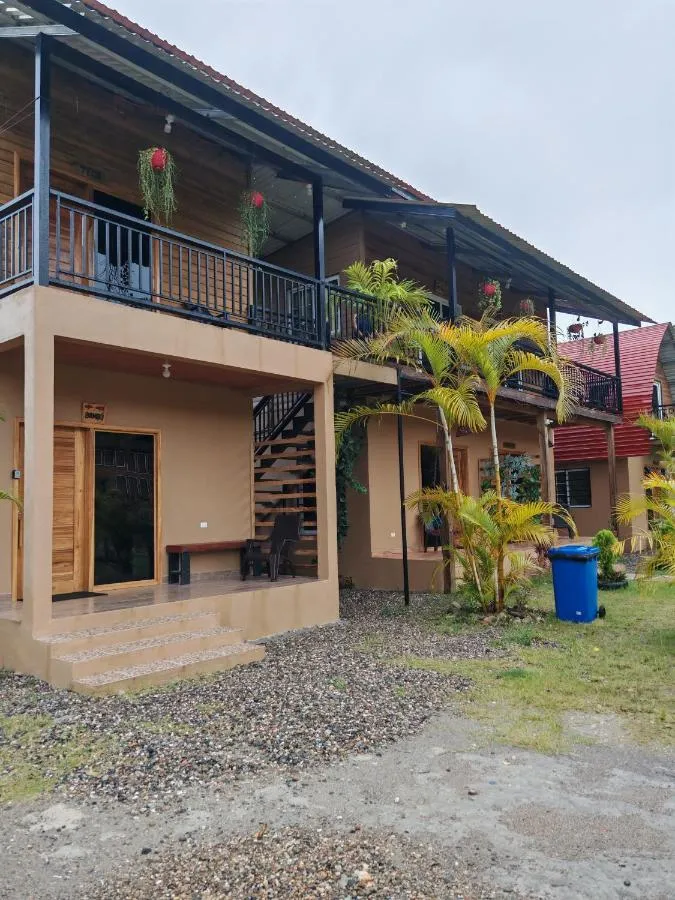
“Rooms with balconies and mountain views, surrounded by garden, in a quiet part of Tela. A/C, wifi and free parking.”
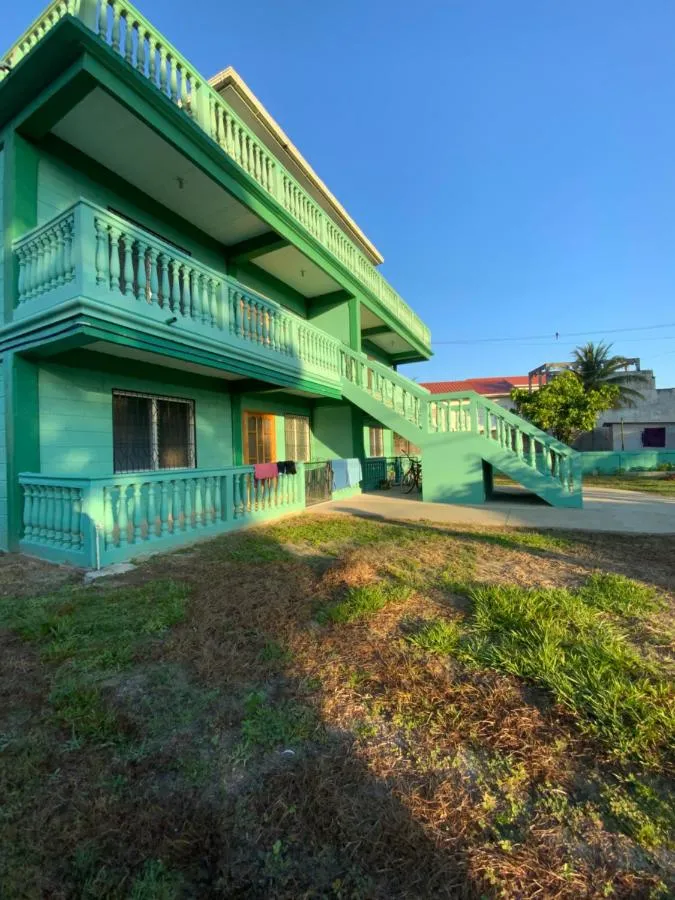
“Simple, welcoming hostel with private rooms or bunks, a shared kitchen and a garden. Pets stay free.”
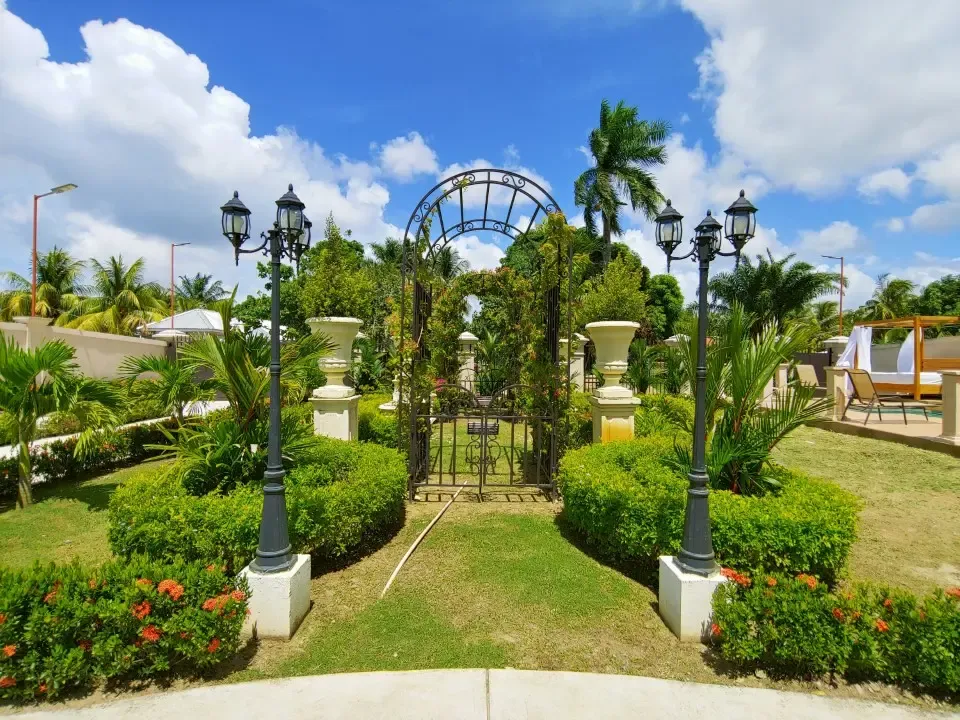
“Pool, hot tub, bar and a tree house for up to 12 guests, a few blocks from the beach and 10 minutes from Tela.”
“Villa with 5 bedrooms and 6 bathrooms for groups of up to 19 people, with a pool and a sea-view terrace, 90 m from the beach.”
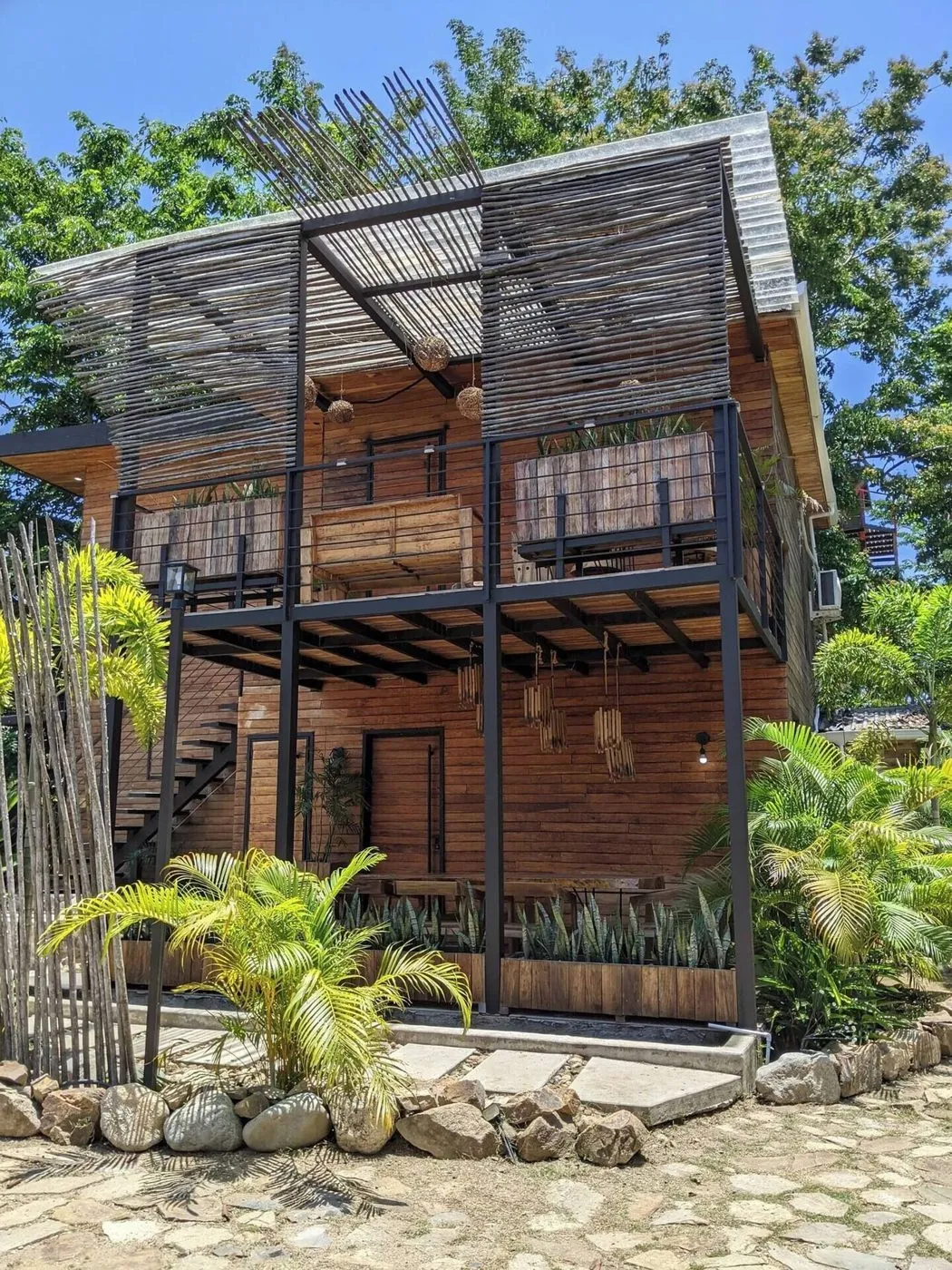
“Wooden house in a tropical garden in Triunfo de la Cruz: 6 bedrooms, a pool and room for 20 people. Pets allowed.”
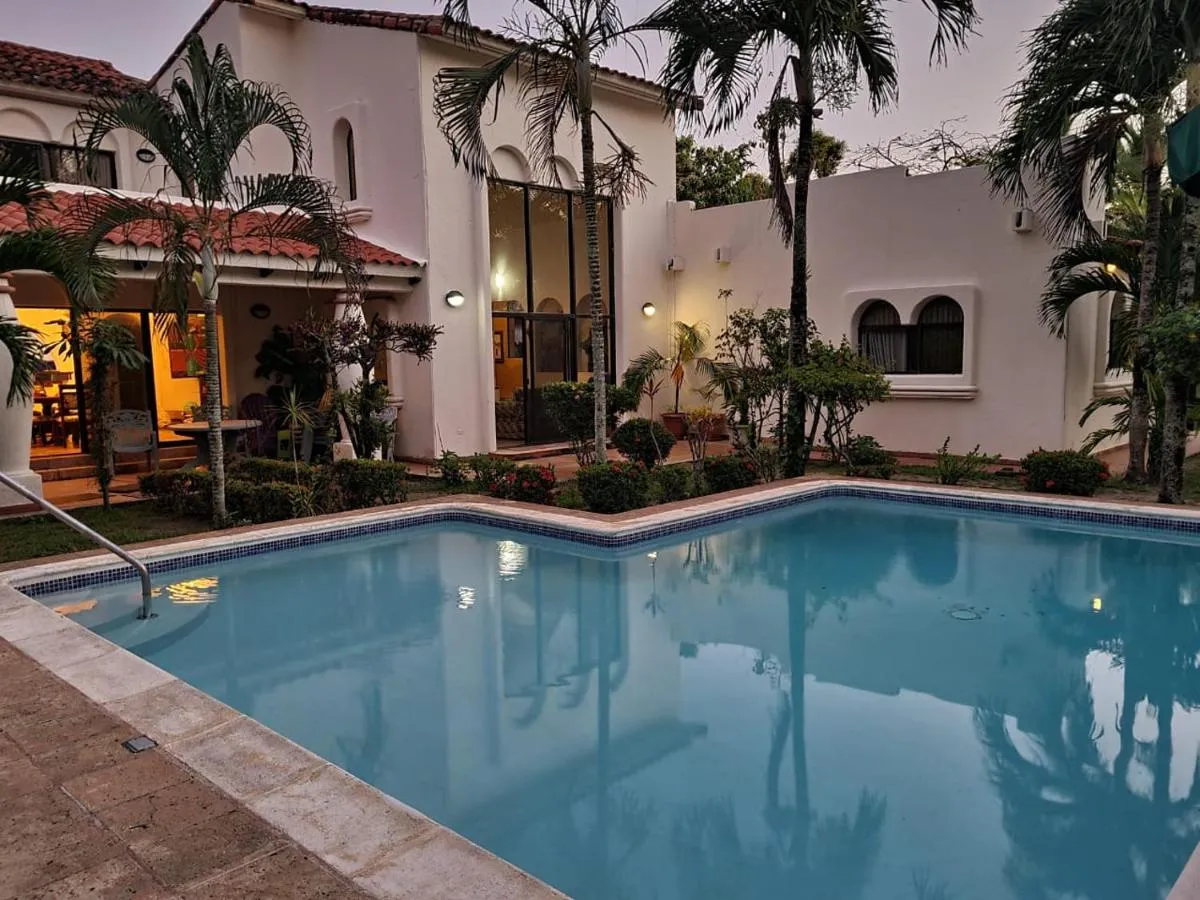
“Beachfront villa in Triunfo de la Cruz, full of colorful paintings: 3 bedrooms, 4 bathrooms, a private pool and a garden.”
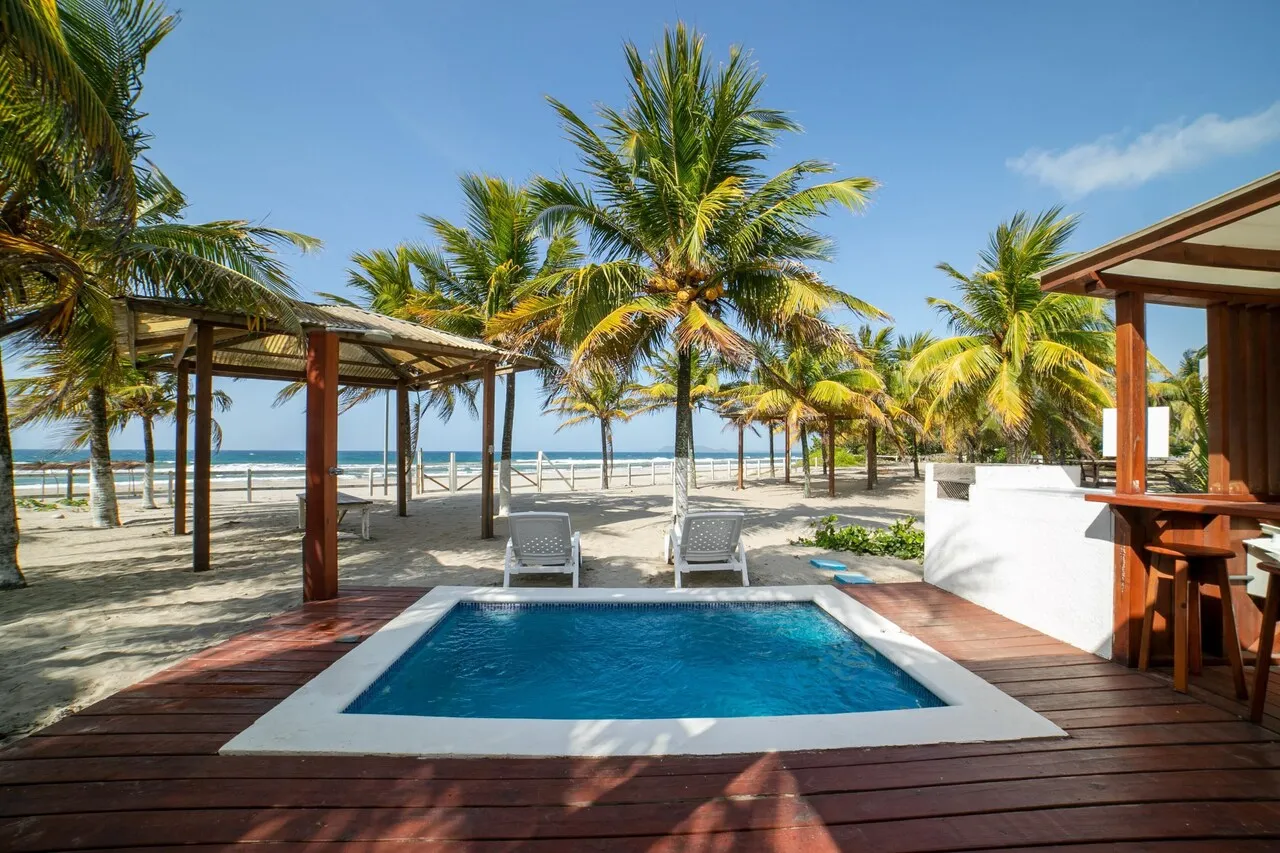
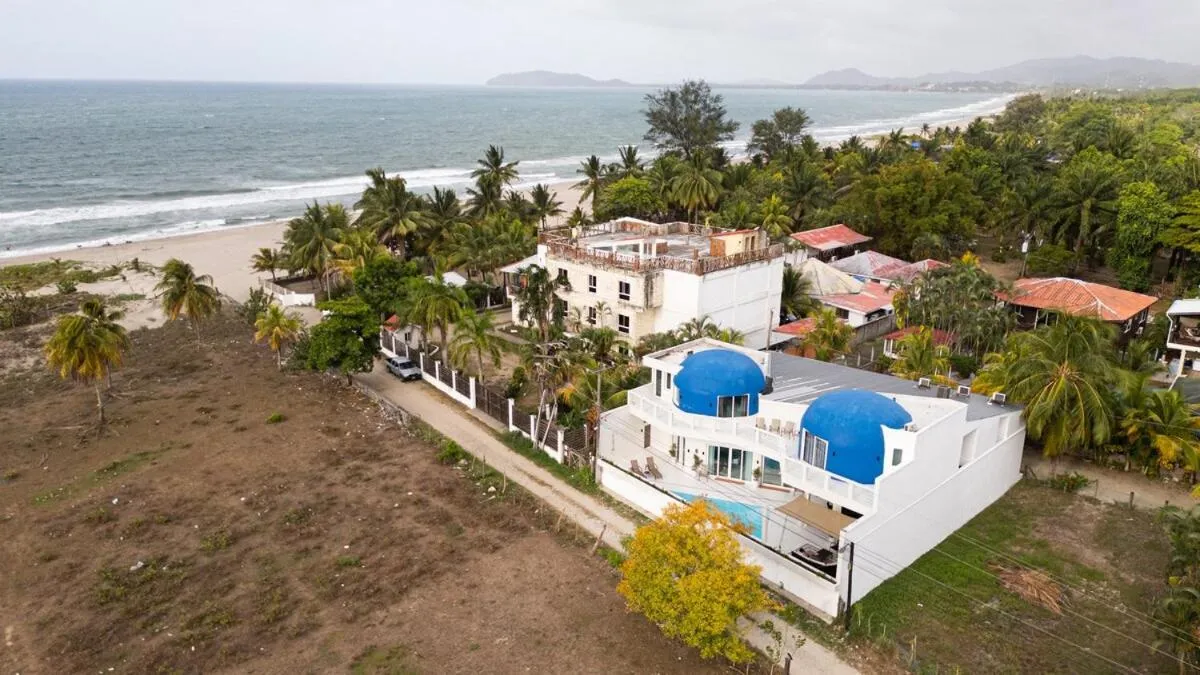
“Dome house on the beach in San Juan del Mar, with a private pool, outdoor bar and grill, for up to 8 people.”
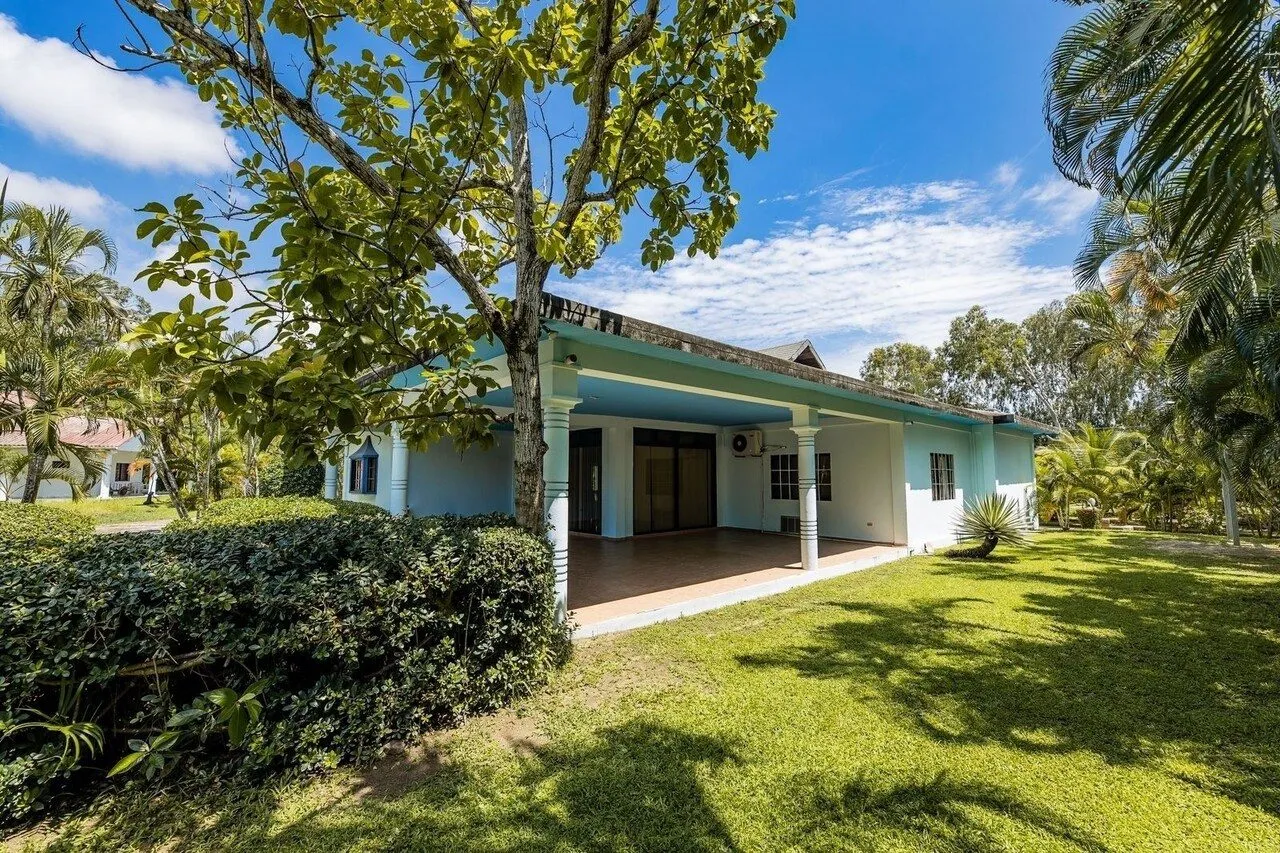
“House with a covered private pool in the Honduras Shores Plantation community, close to the beach and to Los Micos Lagoon.”
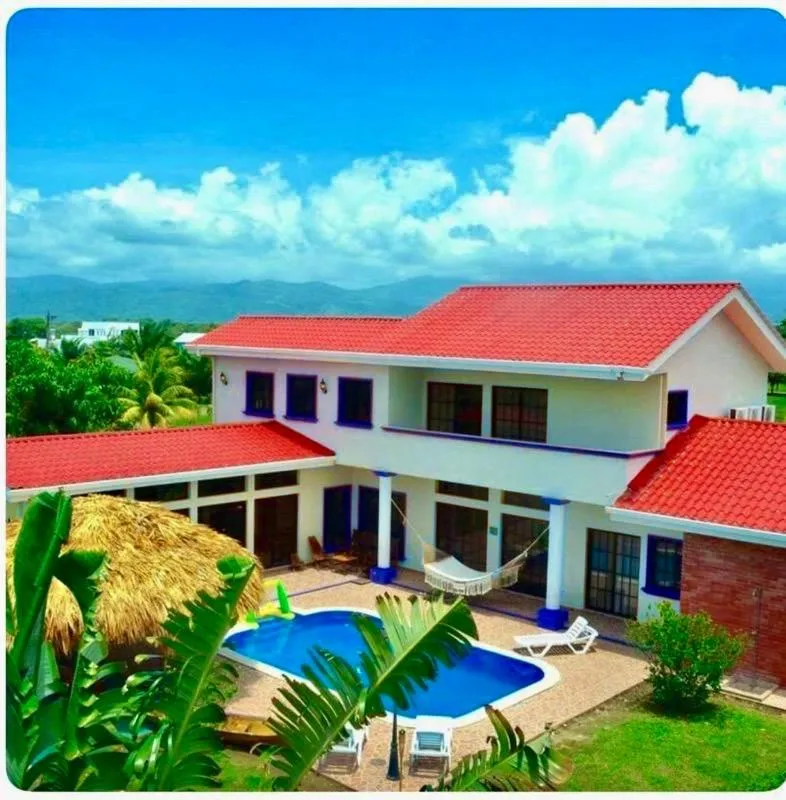
“3-bedroom house with a pool and garden in the Honduras Shores Plantation community, with a private beach area.”
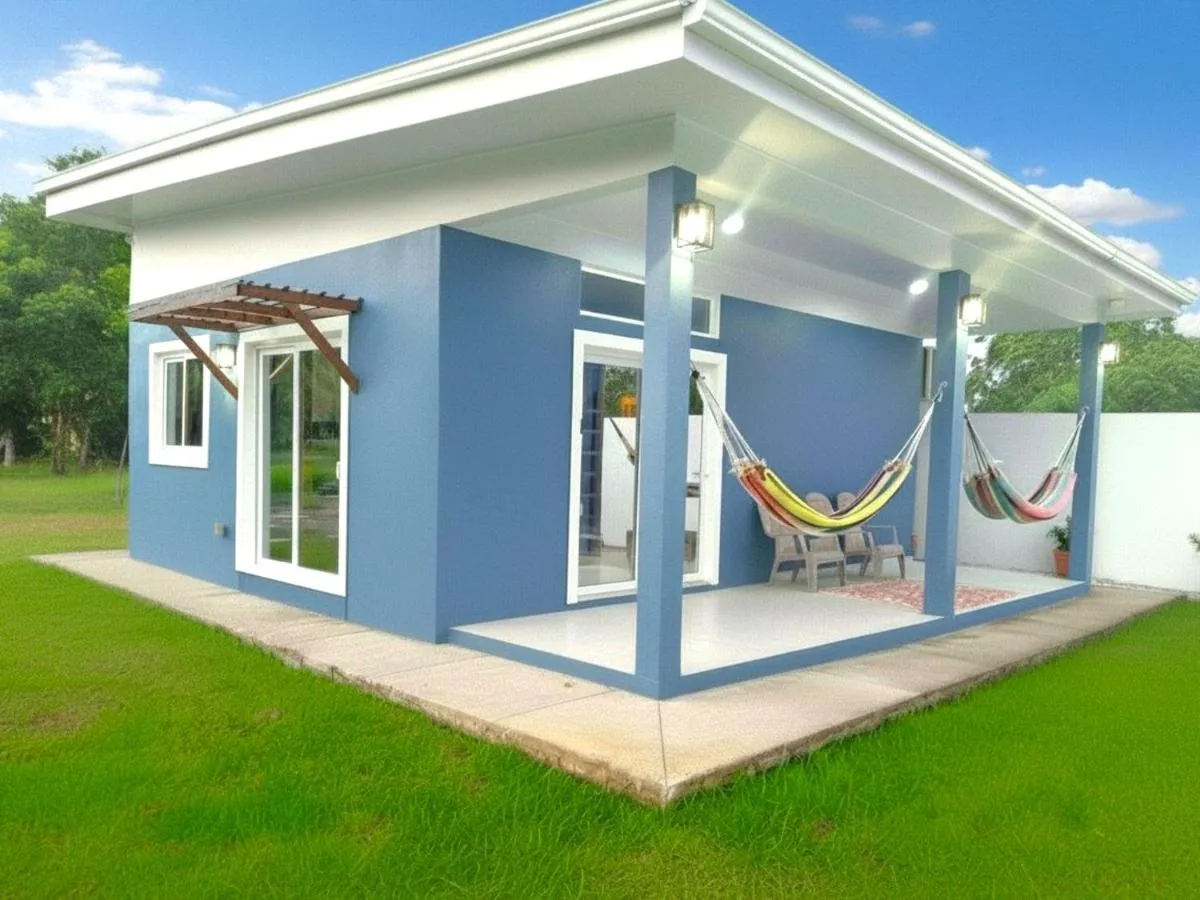
“New 1-bedroom villas with a kitchen and a porch with hammocks, in Laguna Negra, east of Tela, with a private beach area.”
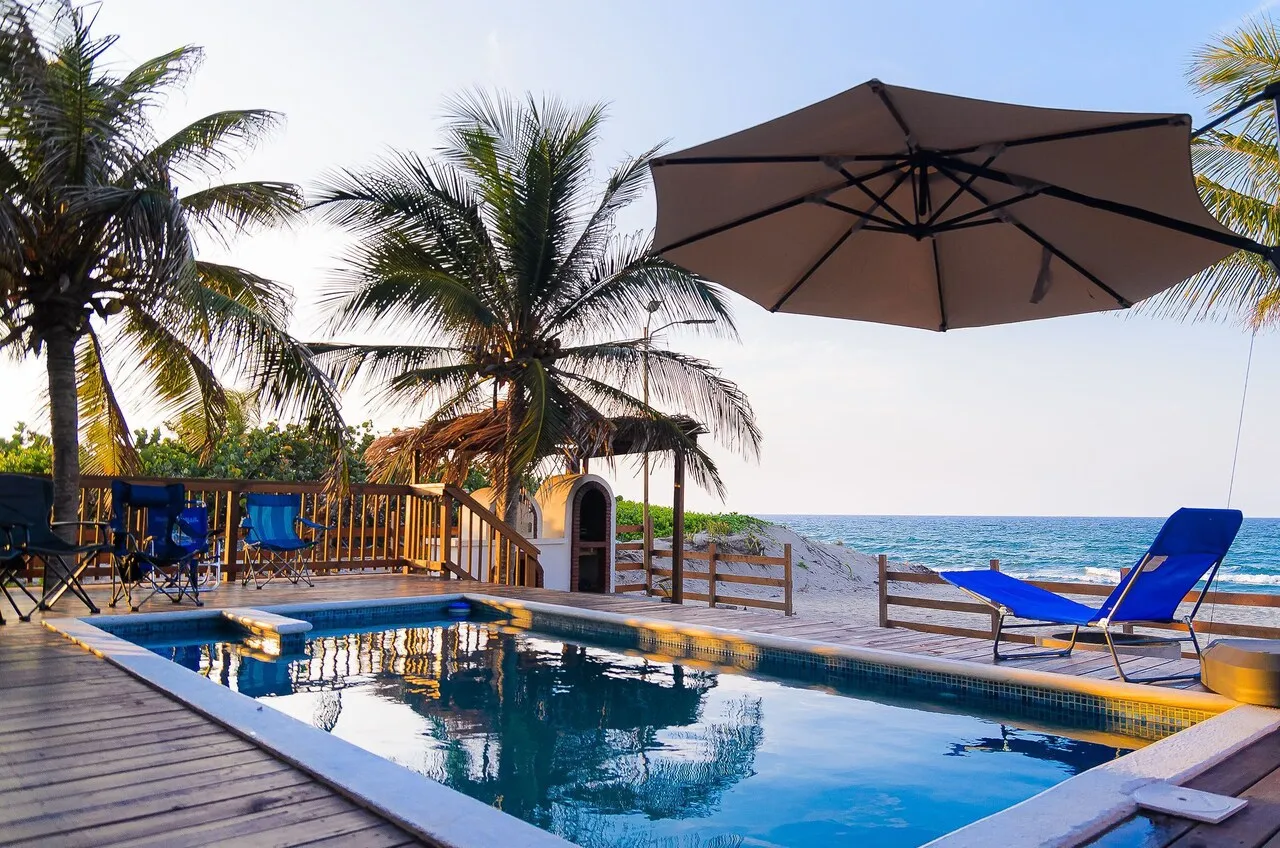
“Eco-friendly wooden villa on the beach in Jeannette Kawas National Park, with a private pool and a dock on the lagoon.”
Updated November 2, 2026
Cookies. If you accept, we use Google Analytics to count visits (statistics only, it does not tell us who you are). If you go on to book, the booking platform may use its own cookies.
