
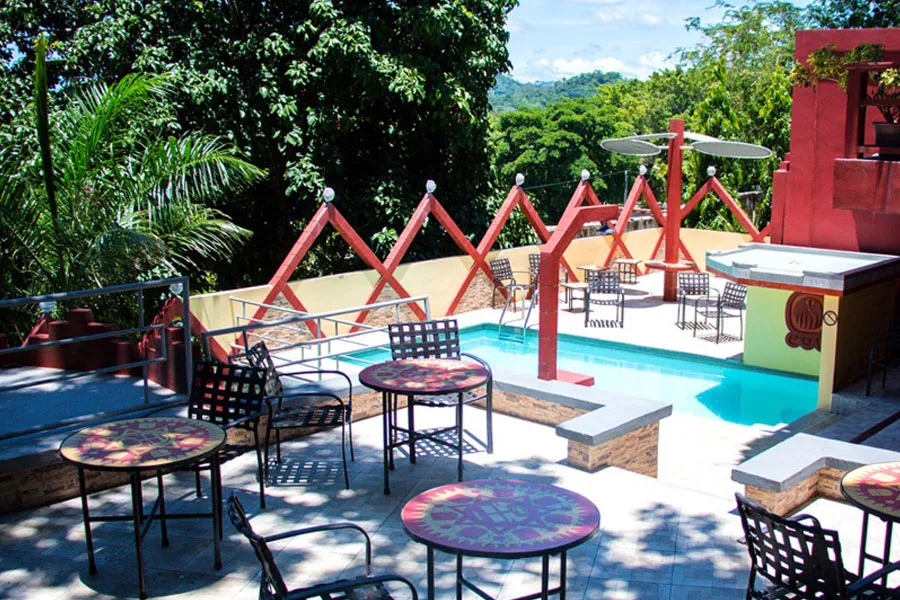
Hotel Maya Vista
“The best lookout over the whole Bay of Tela: 9 rooms with a sea view, pool, restaurant and bar, 400 m from the beach.”
From approx.US$ 94 /night2 people · varies by date
See hotelFind out why the Bay of Tela is one of the most appealing places on the Honduran Caribbean: untouched beaches, real Garifuna communities, national parks full of wildlife, living history and a range of things to do that suits every kind of traveler.
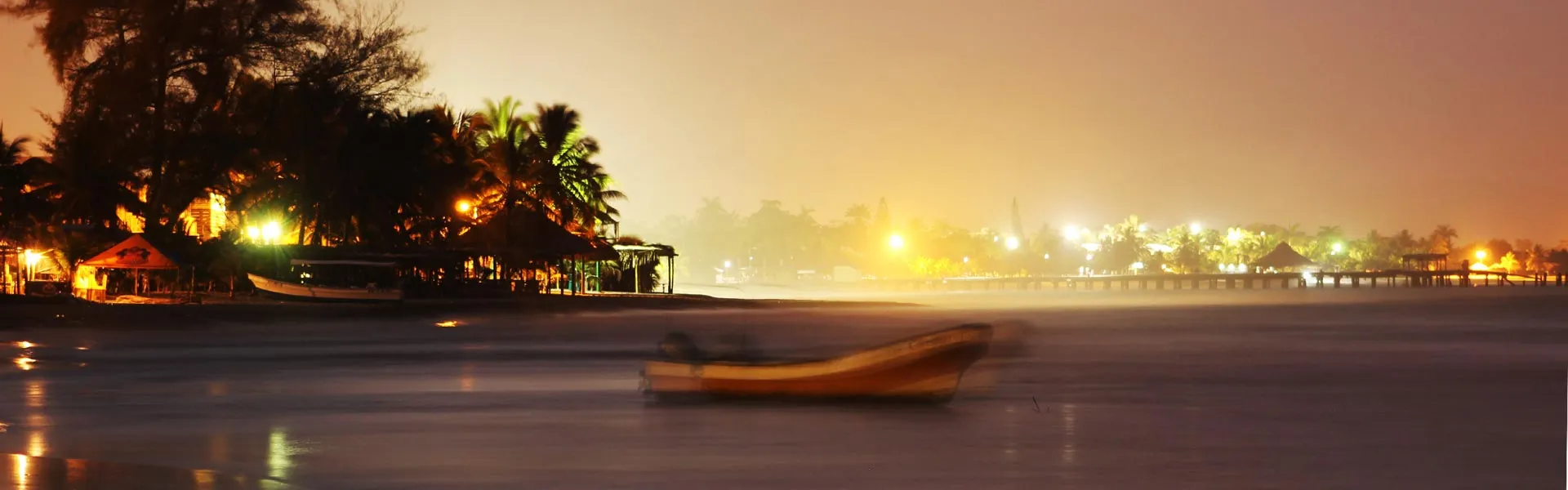
The Bay of Tela is on the north coast of Honduras, in the department of Atlántida. The main town is Tela, right on the Caribbean and practically at sea level, about an hour and a half by road from San Pedro Sula. The municipality covers roughly 1,150 to 1,170 km², with coastline, coves, light sand beaches, mangroves and tropical forest that runs south into the Nombre de Dios mountain range.
Tela’s origins go back to the 16th century and the Spanish colonization, but its big growth came with the banana industry, between the late 19th century and the 20th century, when it was home base for companies like the United Fruit Company. The booming export business left behind buildings, railroads, piers and a strong economy. When the banana company declined, Tela slowed down, but it still keeps traces of that golden age in its buildings and its culture.
The Garifuna descend from Africans and Indigenous Caribbean peoples. They reached the Atlantic coast of Central America at the end of the 18th century, after being expelled from the island of Saint Vincent. They keep their own language, musical traditions like punta, the jankunu dance, a cuisine based on coconut, cassava and seafood, and a strong sense of community that makes them the keepers of Tela’s living culture.
From left to right, looking out to sea from Tela’s main beach, you’ll find several well-known Garifuna communities:
The Bay of Tela is surrounded by protected areas that preserve unique ecosystems and exceptional biodiversity:
This is Tela’s best-known protected area. It has untouched beaches, tropical forest, mangroves, lagoons and coral reefs. It’s home to howler monkeys, toucans, crocodiles and sea turtles. Its trails take you through the coastal forest to see wildlife in its natural state. Punta Sal is ideal for hiking, kayaking, snorkeling and bird watching. More on the Jeannette Kawas National Park page and in the story of Jeannette Kawas.
It’s on the eastern side of the bay. It’s a refuge of thick mangroves, navigable channels and habitat for water birds, monkeys and reptiles. It’s one of the favorite places to explore the mangrove tunnels by boat or kayak, with local guides who explain why they matter for the environment. See Punta Izopo.
Considered the second largest tropical botanical garden in the world, it was created as an experimental station of the United Fruit Company. It keeps collections of bamboo, heliconias, palms, tropical fruit and secondary forest. It’s perfect for ecotourism, environmental education and walks in green surroundings. See Lancetilla Botanical Garden.
Next to the community of Miami, it’s a coastal ecosystem with migratory birds, crocodiles, monkeys and fish. It’s famous for its sunsets and its boat rides. The lagoon connects directly to the Caribbean and is one of the most striking natural spots in the area. See Los Micos Lagoon and Miami.
Tela has everything from hostels and beachfront cabins to luxury resorts and eco lodges. Many places to stay organize trips to the national parks, cultural visits to Garifuna villages and local food experiences. There’s something for travelers on a tight budget and for those looking for top-level comfort.
The climate is humid tropical. The average yearly temperature runs between 25 and 29 °C, with highs of 30 to 32 °C and lows of 20 to 22 °C. Rain is heaviest from October to December, while the best time for beaches and excursions is December to April, during the dry season.
Every June, Tela holds its patron saint fair in honor of Saint Anthony of Padua. During those days the streets fill with parade groups, live music, dancing and food. The Tela Carnival is one of the most awaited festivals on the north coast, with the Garifuna communities taking part and showing their music, dances and colorful costumes. More on the Tela carnival and busy seasons in Tela.
In recent years, small business owners have pushed tourism forward through the Tela Chamber of Tourism (Cámara de Turismo de Tela), which works to promote the area’s culture and nature. Thanks to these efforts there are now ecological routes, better tourist services and community activities that highlight Garifuna culture and the natural beauty of the bay.
Conclusion: The Bay of Tela is a beach destination and a little paradise on earth, and it is also a unique, living, diverse place, full of history, nature and culture. For anyone looking for a real experience on the Honduran Caribbean, in direct contact with lively communities, national parks and an exceptional cultural heritage, Tela has it all.
“The best lookout over the whole Bay of Tela: 9 rooms with a sea view, pool, restaurant and bar, 400 m from the beach.”
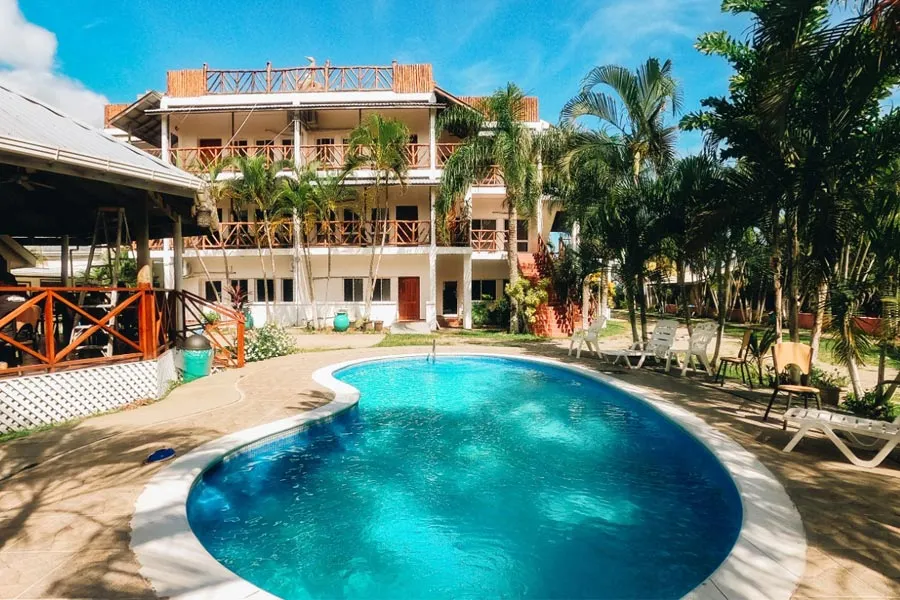
“A wide, clean beach far from the crowds, about 8 minutes by car from downtown. Pool, restaurant, bar and suites with a fridge.”
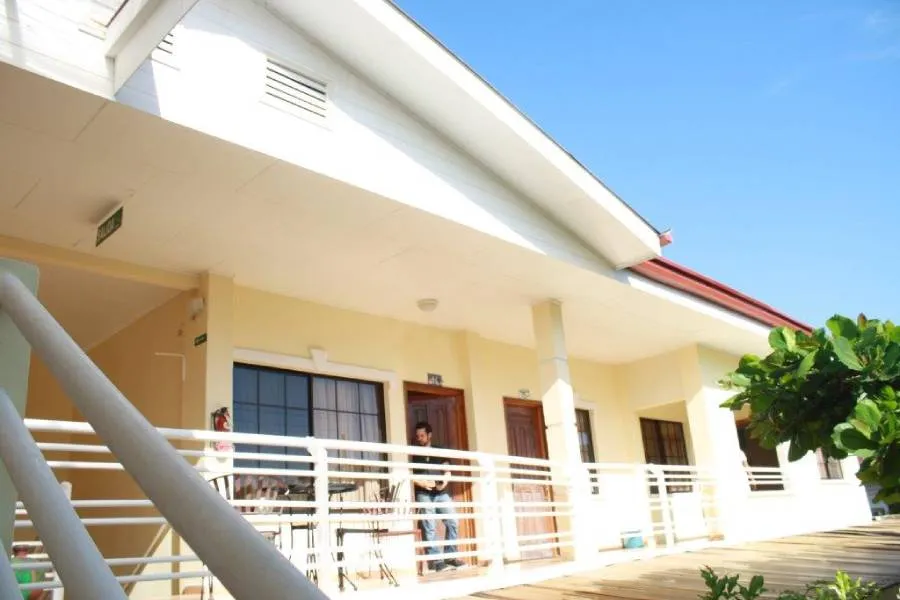
“Fresh fried fish, Garifuna style. 17 rooms and a pool, a block from the beach and a few steps from the Zona Viva.”
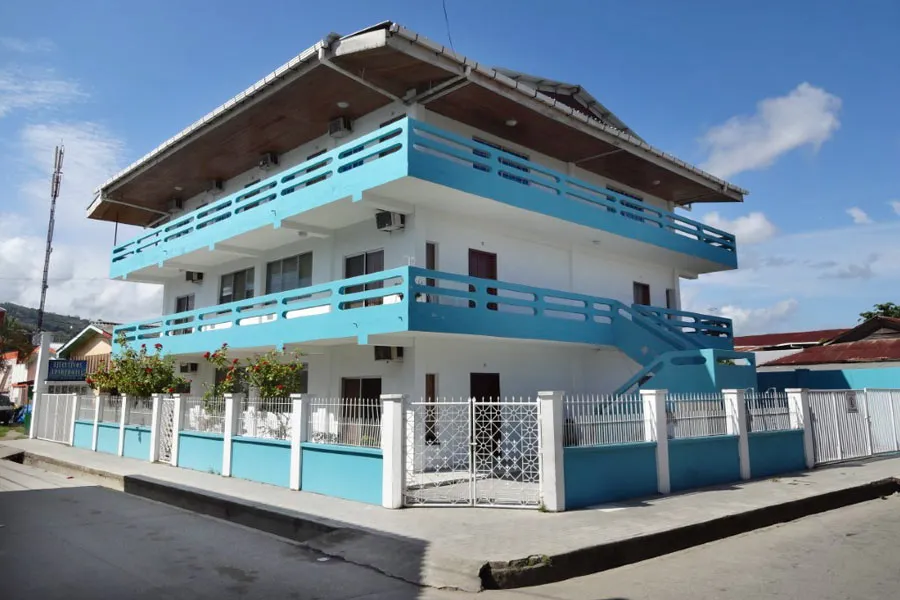
“Apartments with a kitchenette, two blocks from Central Park and three from the beach. Private parking, 24-hour security, wifi and A/C.”
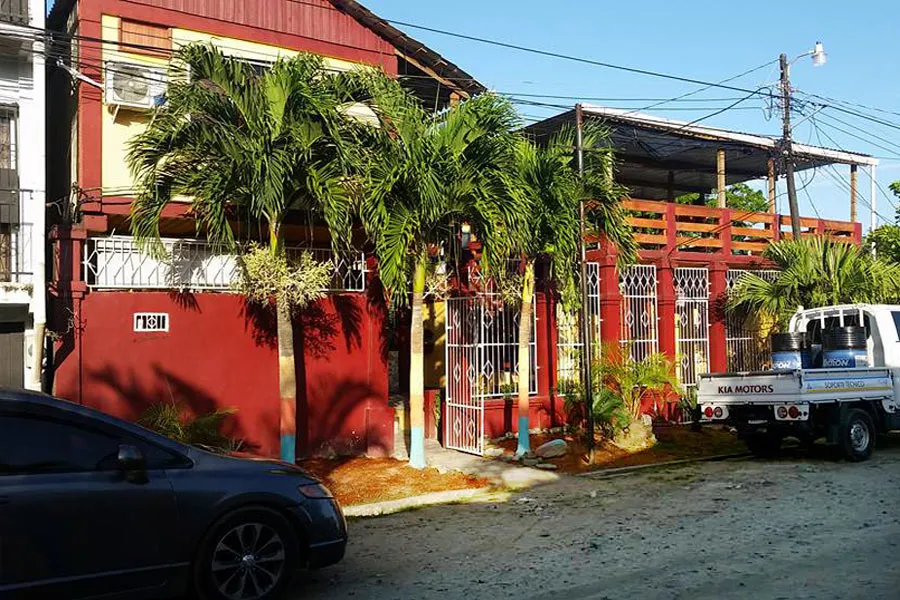
“Terrace with hammocks and a partial sea view, half a block from the beach. Inner garden, restaurant, bar and air conditioning.”
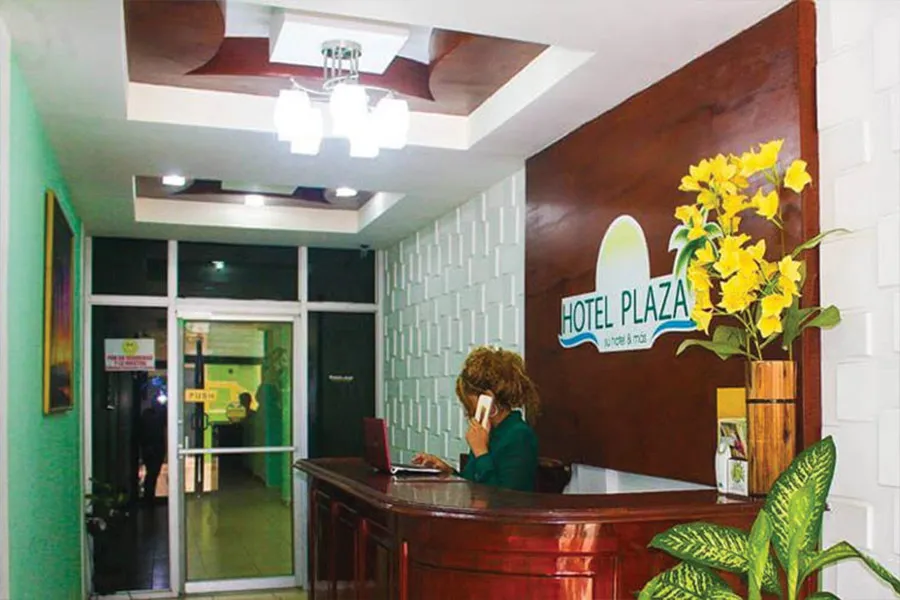
“One of the cheapest we know: simple but pleasant, 3 blocks from the park and 4 from the beach. Parking and wifi.”
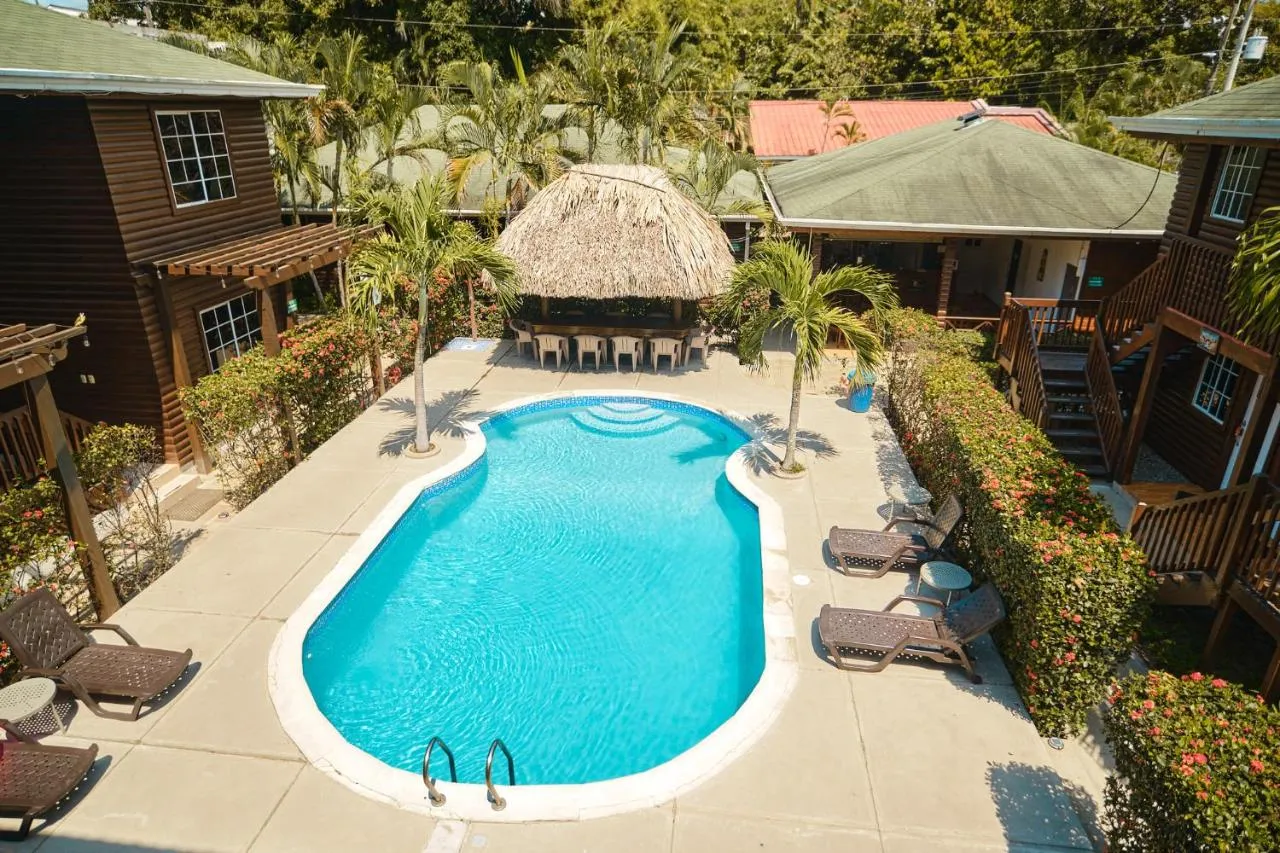
“Two-story wooden cabins around the pool, with a restaurant, bar and garden, about 100 meters from the beach.”
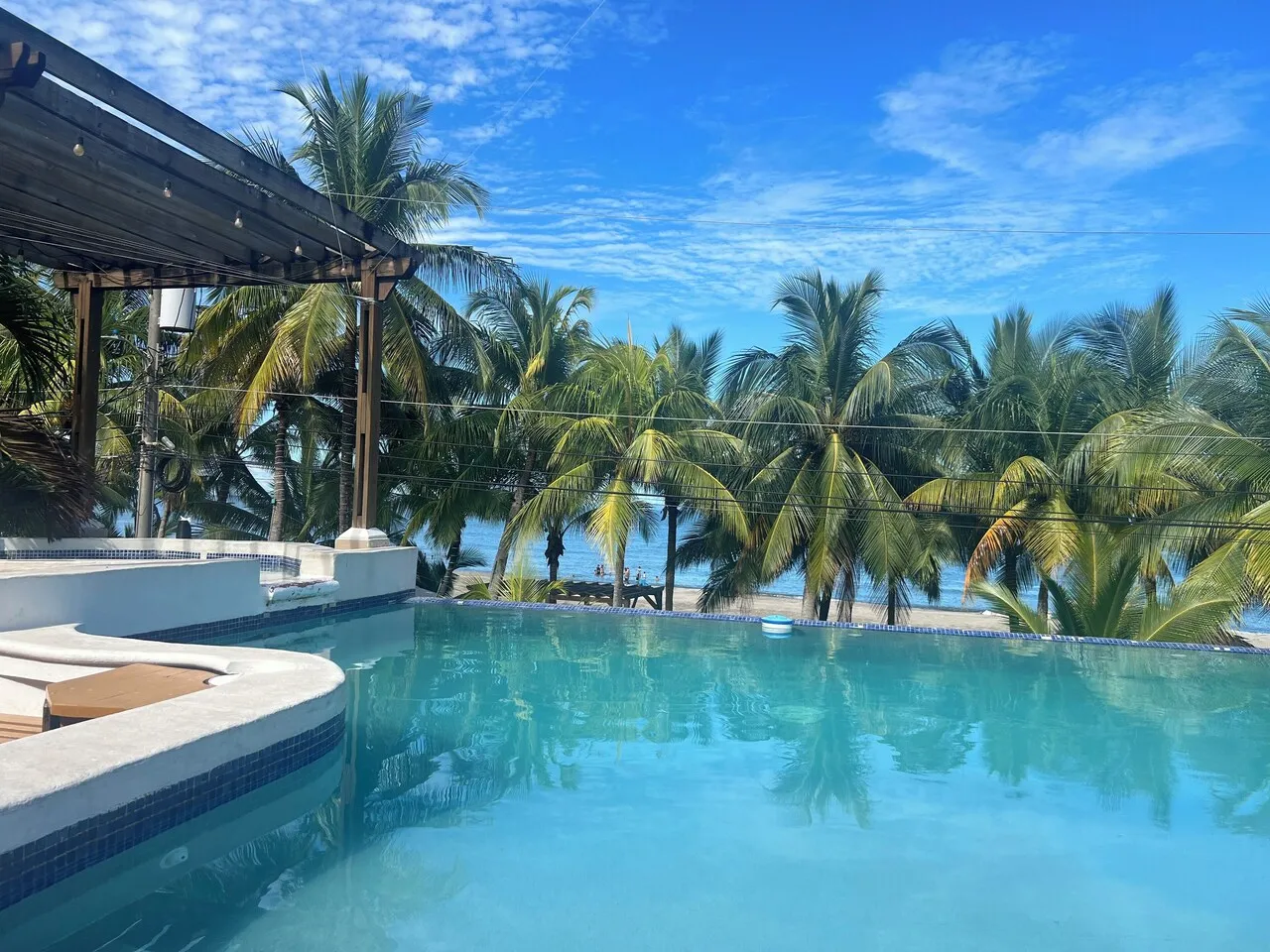
“On the sea, on the pedestrian street: pool with a sea view, breakfast included, restaurant and bar, 3 minutes from the park.”
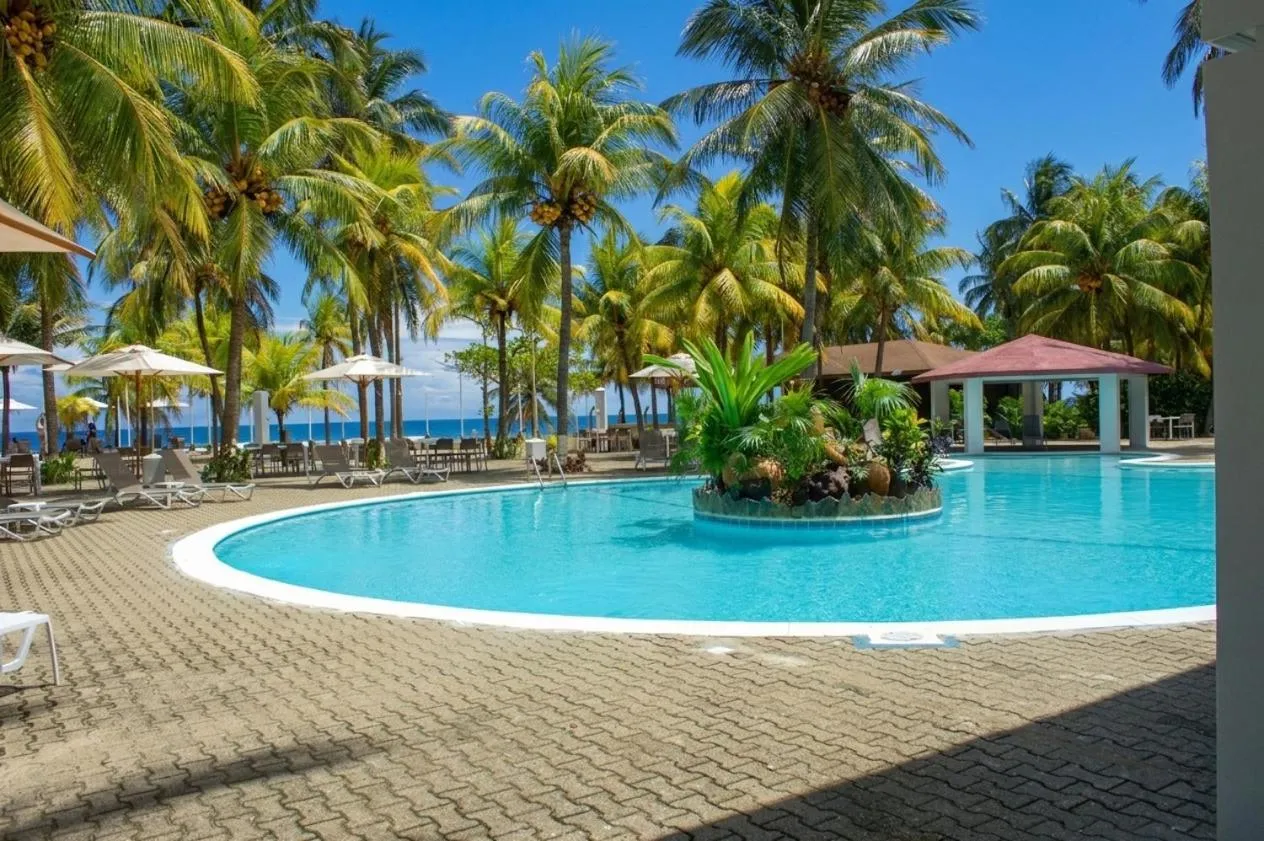
“4-star beachfront hotel next to the Garifuna village of San Juan, with 2 pools among palm trees, 2 restaurants and a bar.”
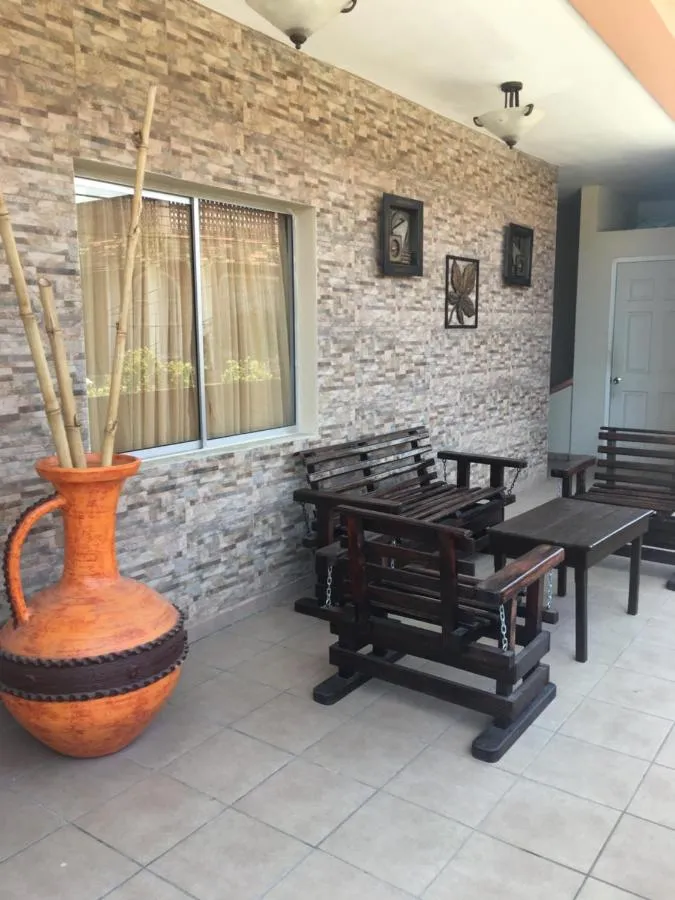
“Two-bedroom apartments with a kitchen, living room and terrace, about 300 meters from the beach. 24-hour front desk and free parking.”
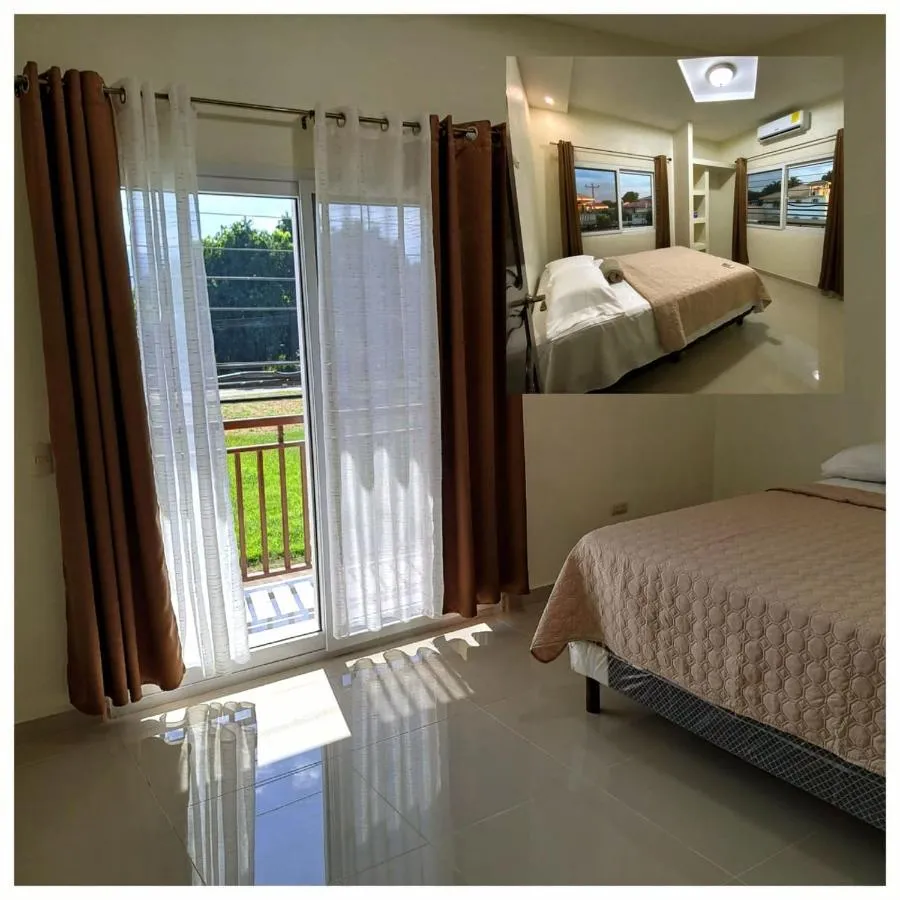
“New two-bedroom apartments with a kitchen and terrace, in the Porto Bello residential area, about 600 meters from the beach.”
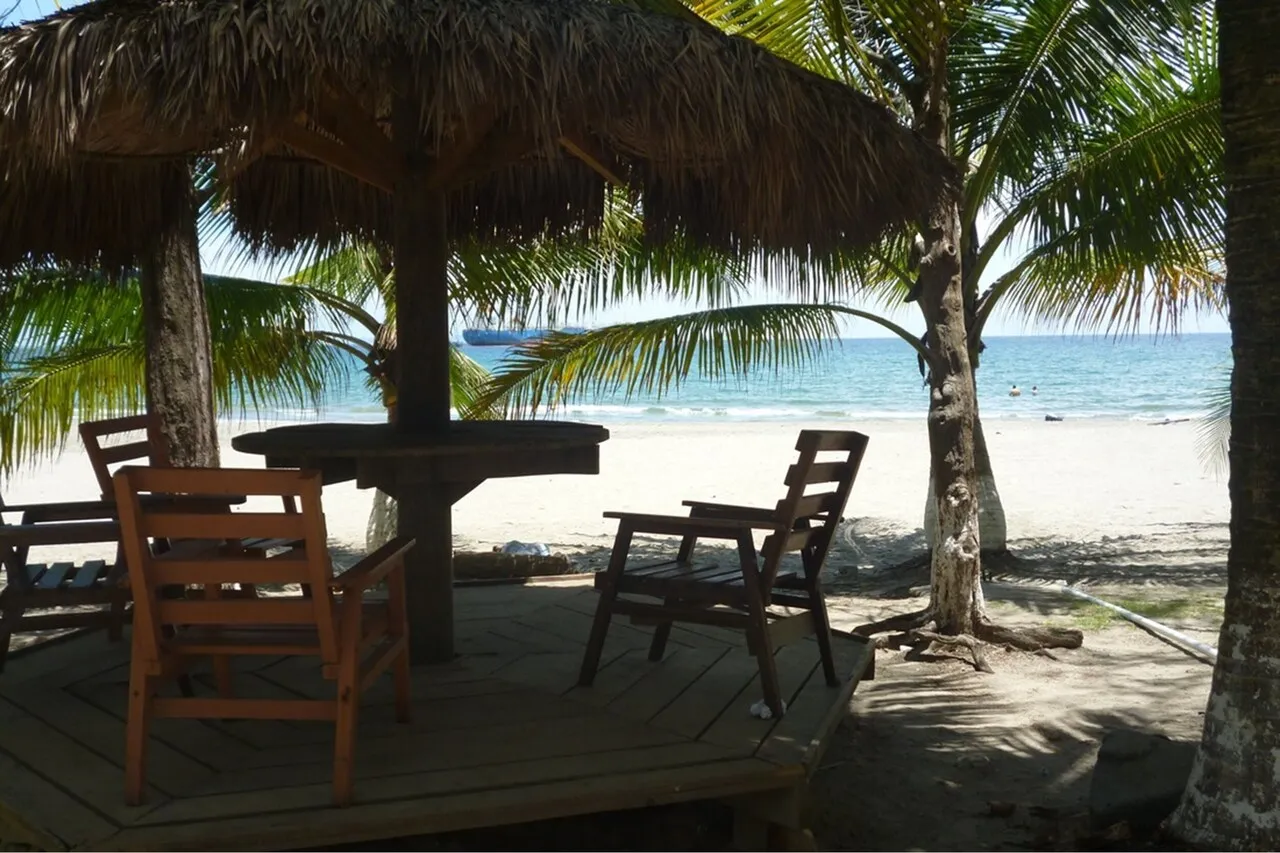
“Wooden hotel on the pedestrian street, with a pool, local breakfast included, restaurant, bar and massages, near the park.”
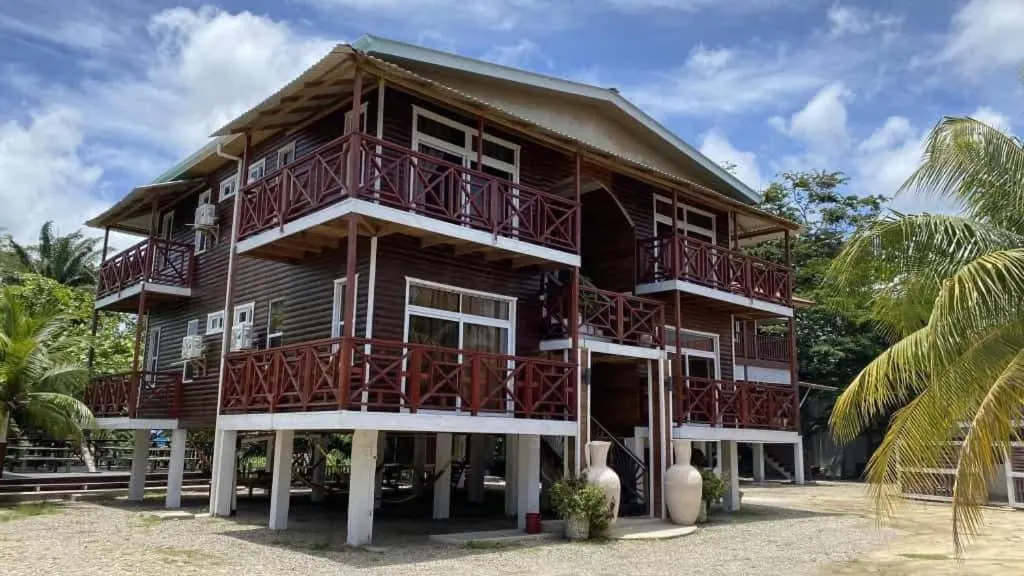
“Wooden building with balconies and river views, 200 meters from the beach downtown. Restaurant, garden and free parking.”
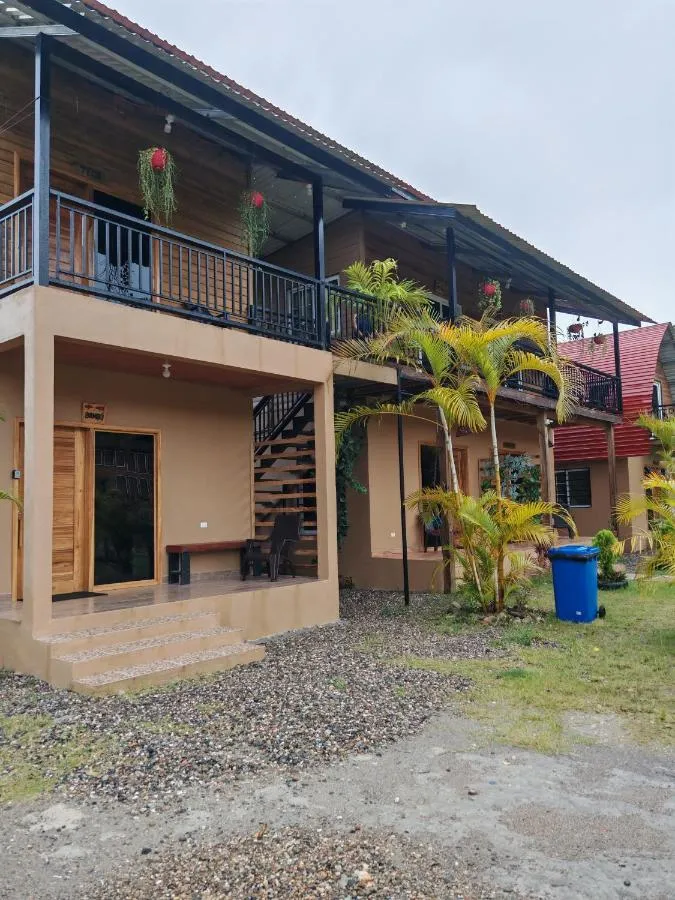
“Rooms with balconies and mountain views, surrounded by garden, in a quiet part of Tela. A/C, wifi and free parking.”
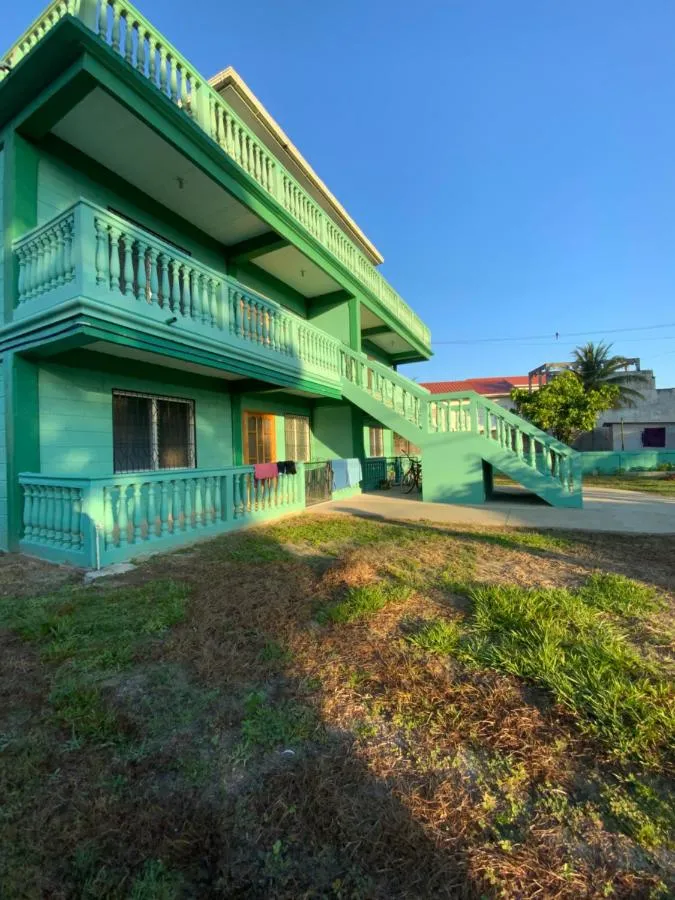
“Simple, welcoming hostel with private rooms or bunks, a shared kitchen and a garden. Pets stay free.”
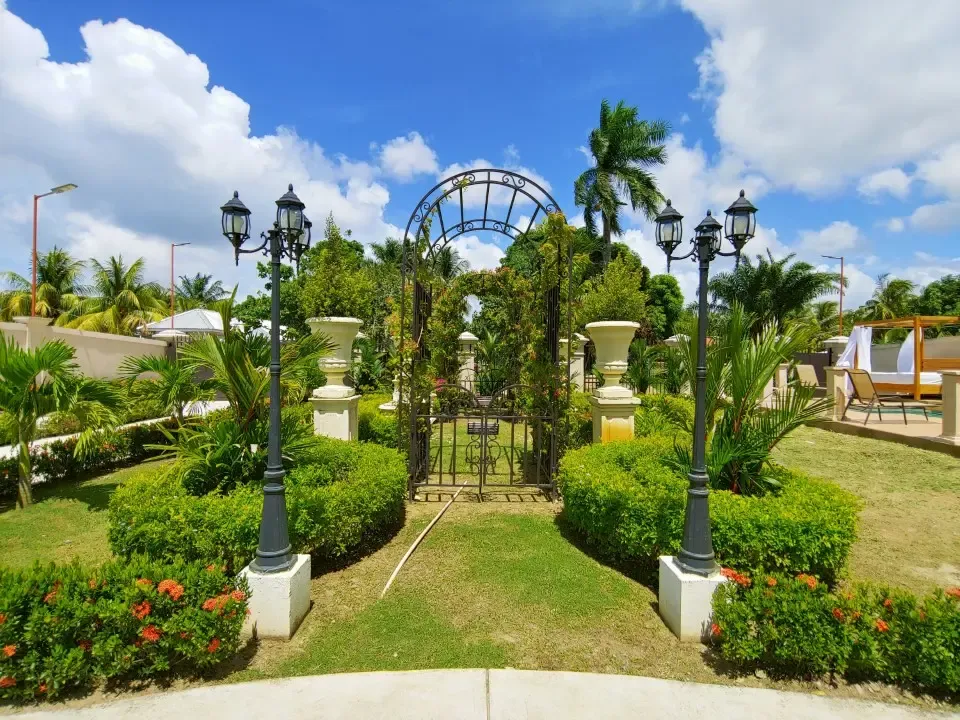
“Pool, hot tub, bar and a tree house for up to 12 guests, a few blocks from the beach and 10 minutes from Tela.”
“Villa with 5 bedrooms and 6 bathrooms for groups of up to 19 people, with a pool and a sea-view terrace, 90 m from the beach.”
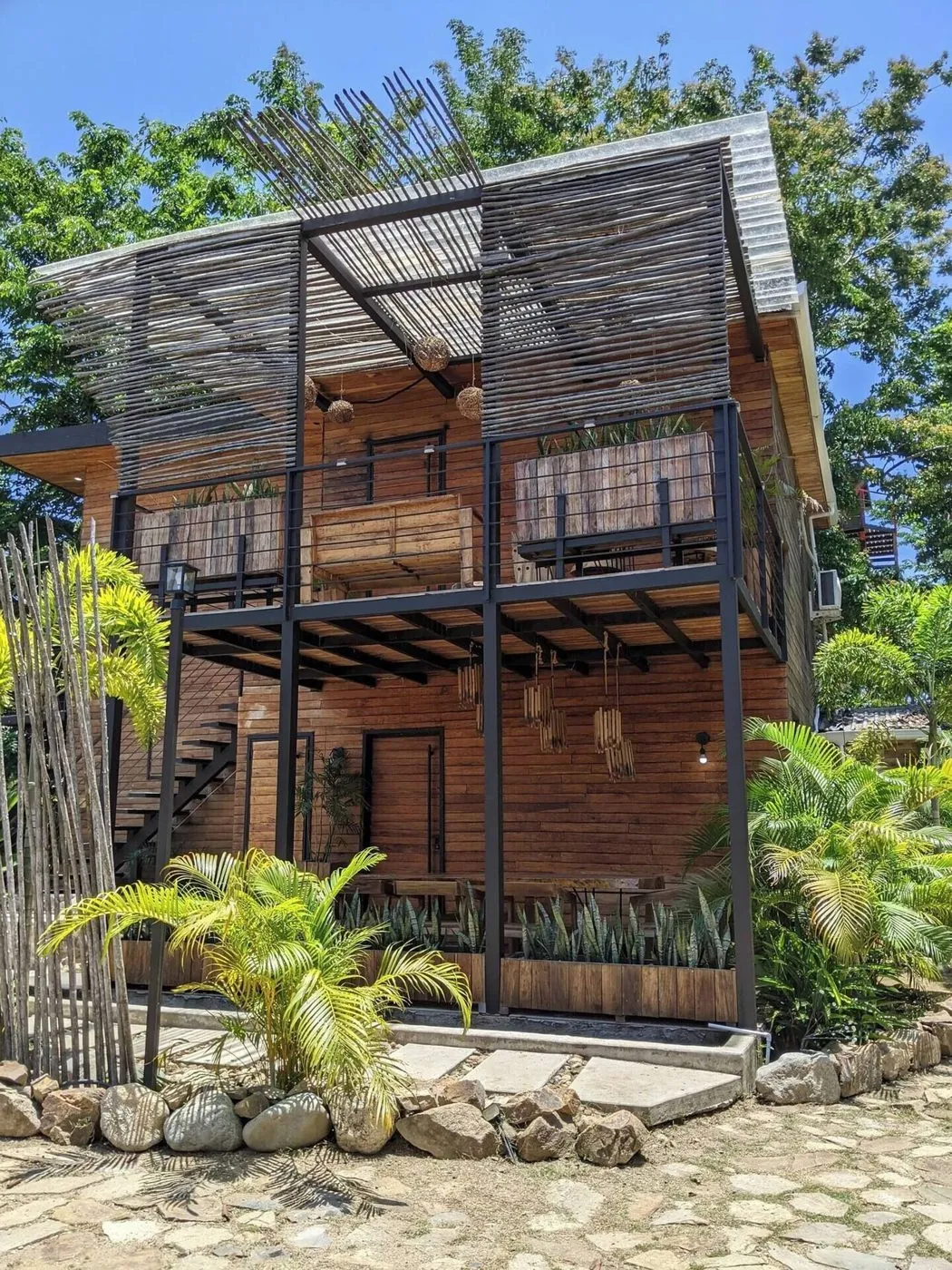
“Wooden house in a tropical garden in Triunfo de la Cruz: 6 bedrooms, a pool and room for 20 people. Pets allowed.”
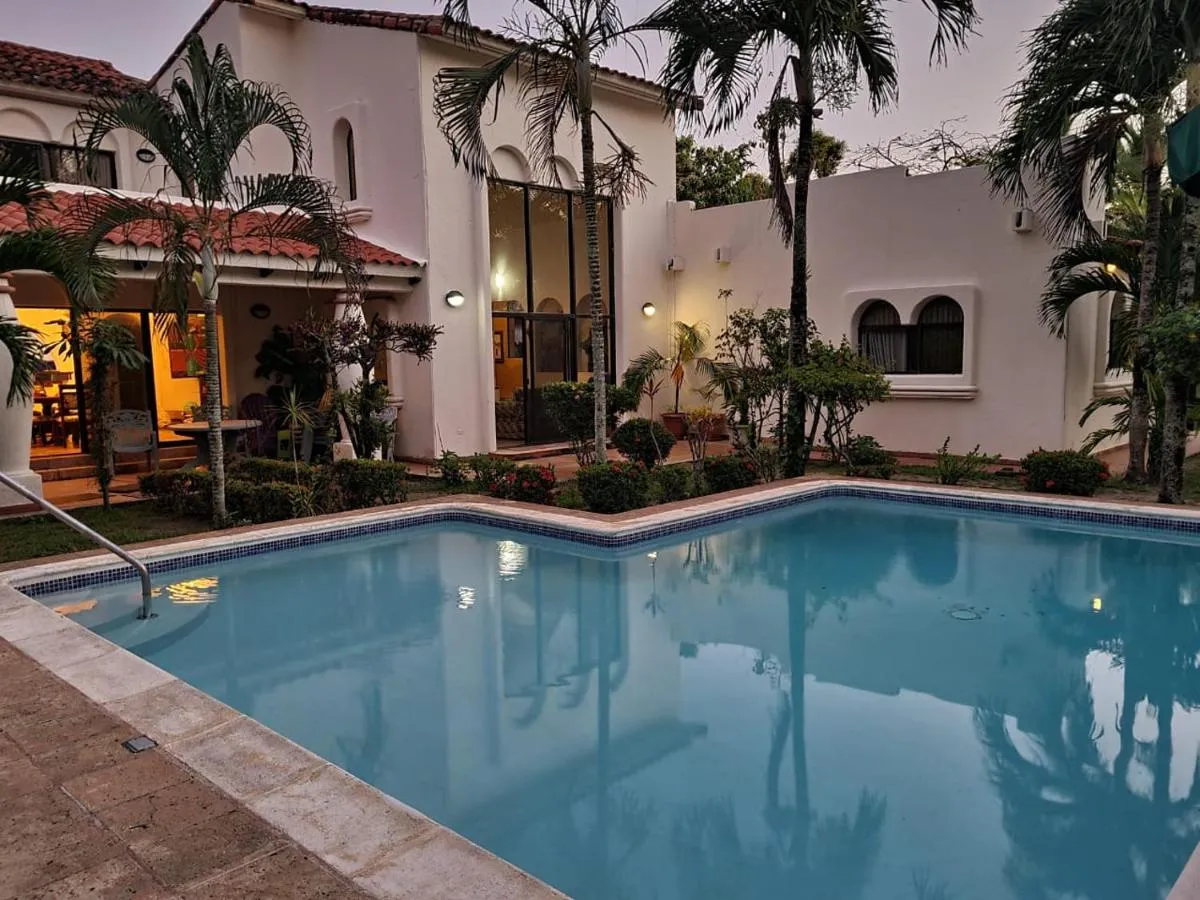
“Beachfront villa in Triunfo de la Cruz, full of colorful paintings: 3 bedrooms, 4 bathrooms, a private pool and a garden.”
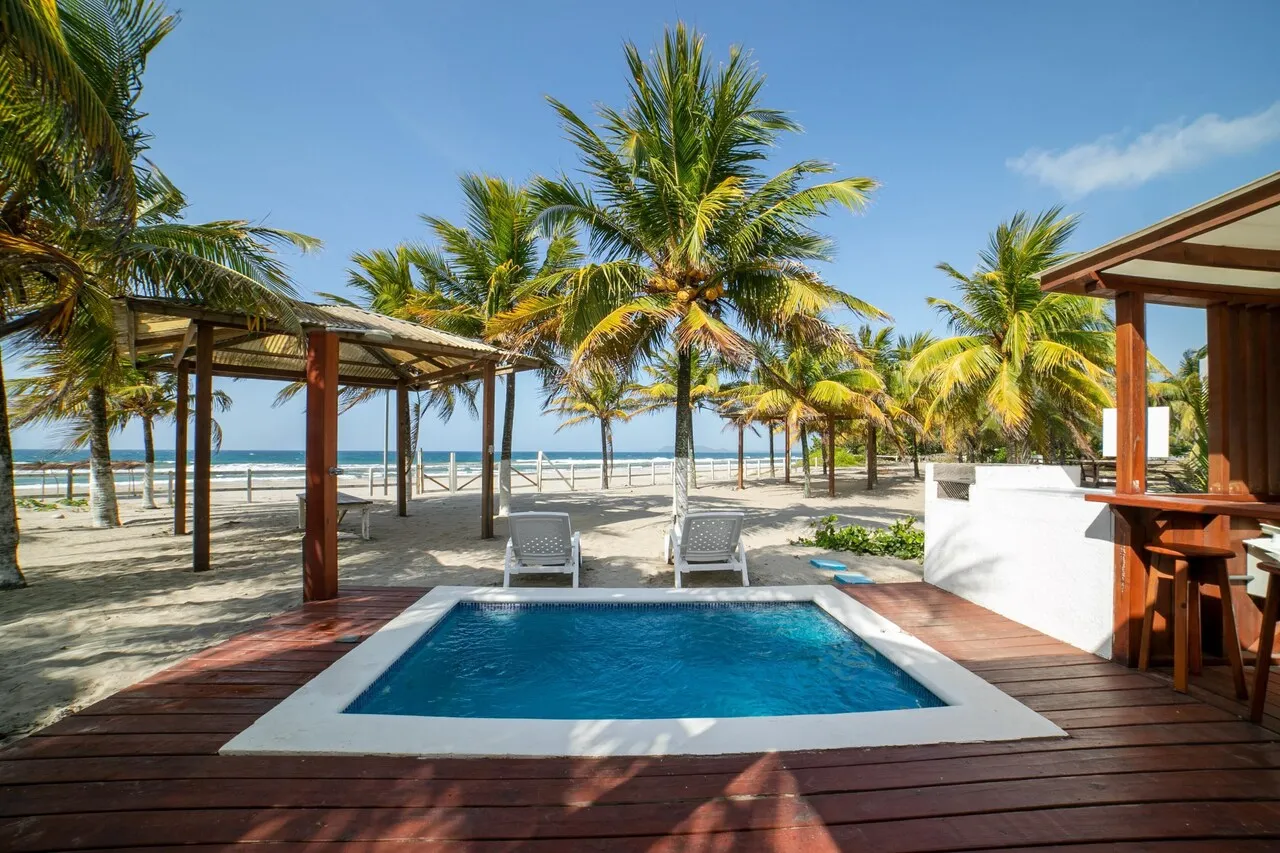
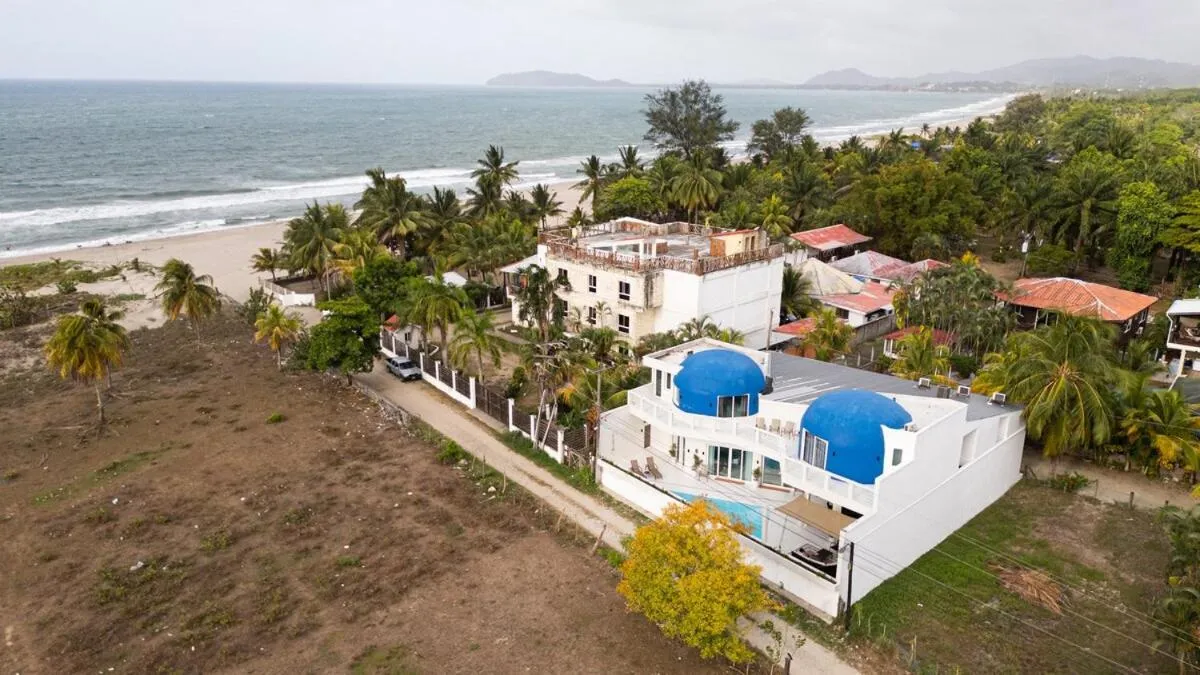
“Dome house on the beach in San Juan del Mar, with a private pool, outdoor bar and grill, for up to 8 people.”
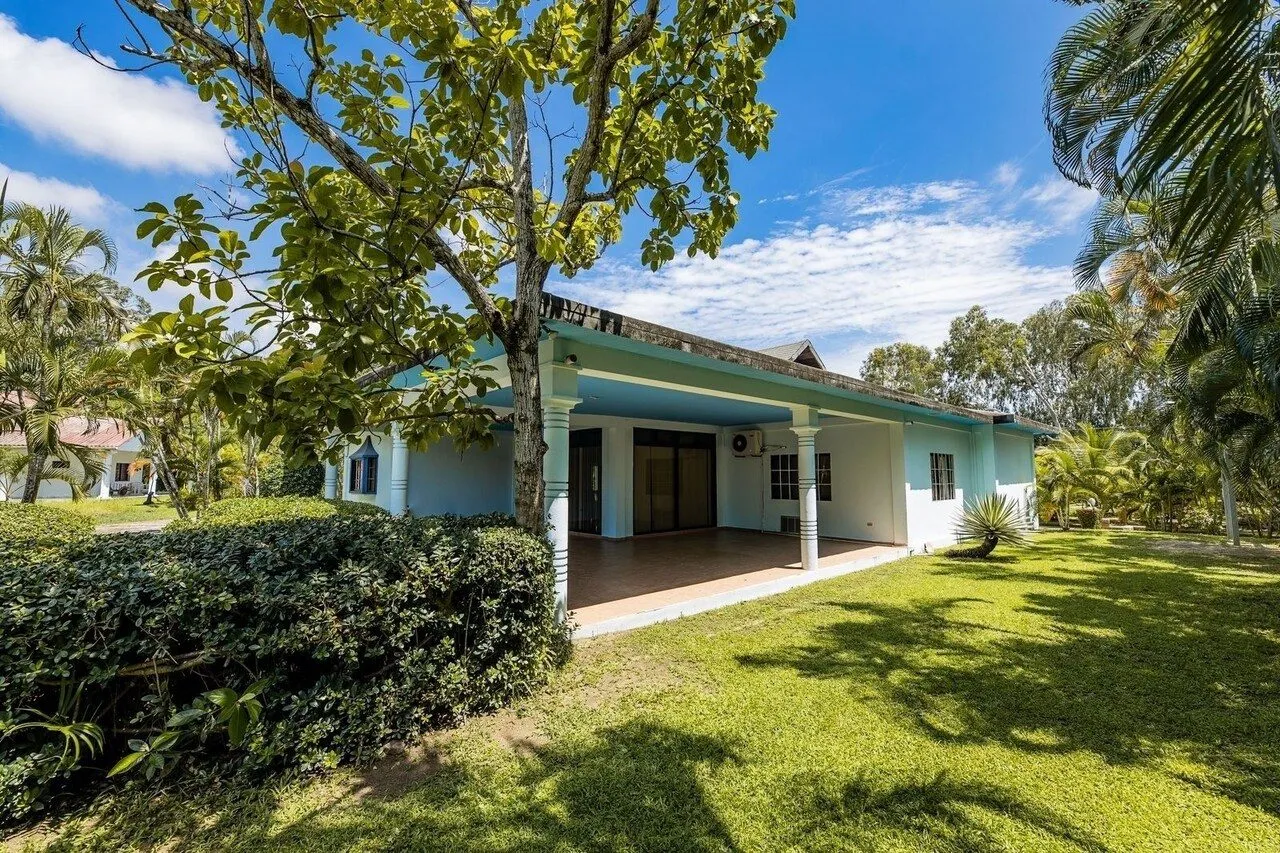
“House with a covered private pool in the Honduras Shores Plantation community, close to the beach and to Los Micos Lagoon.”
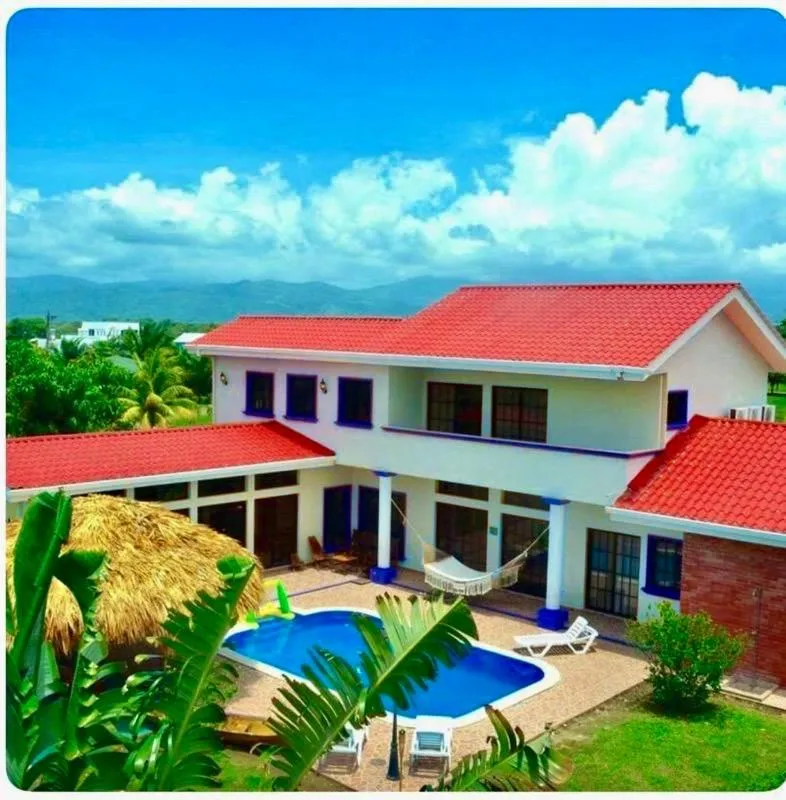
“3-bedroom house with a pool and garden in the Honduras Shores Plantation community, with a private beach area.”
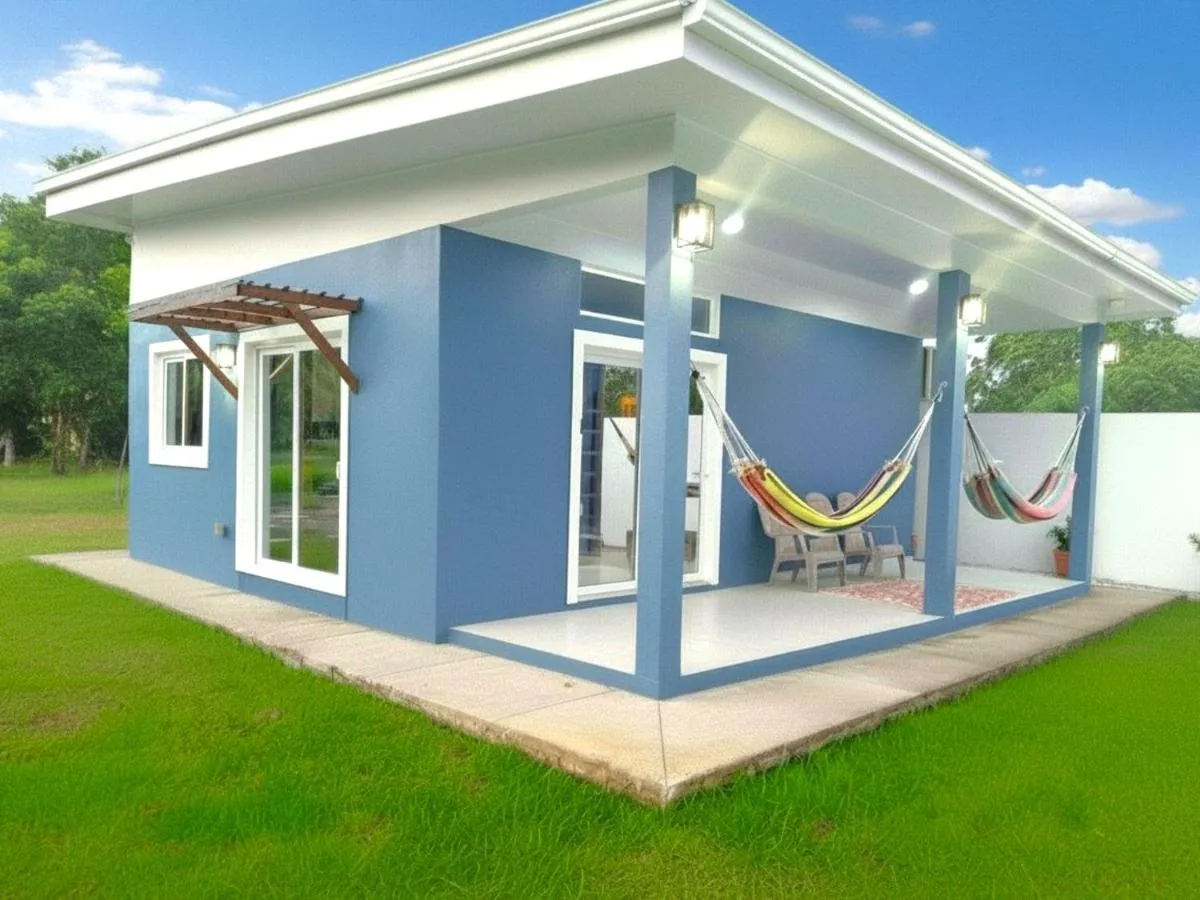
“New 1-bedroom villas with a kitchen and a porch with hammocks, in Laguna Negra, east of Tela, with a private beach area.”
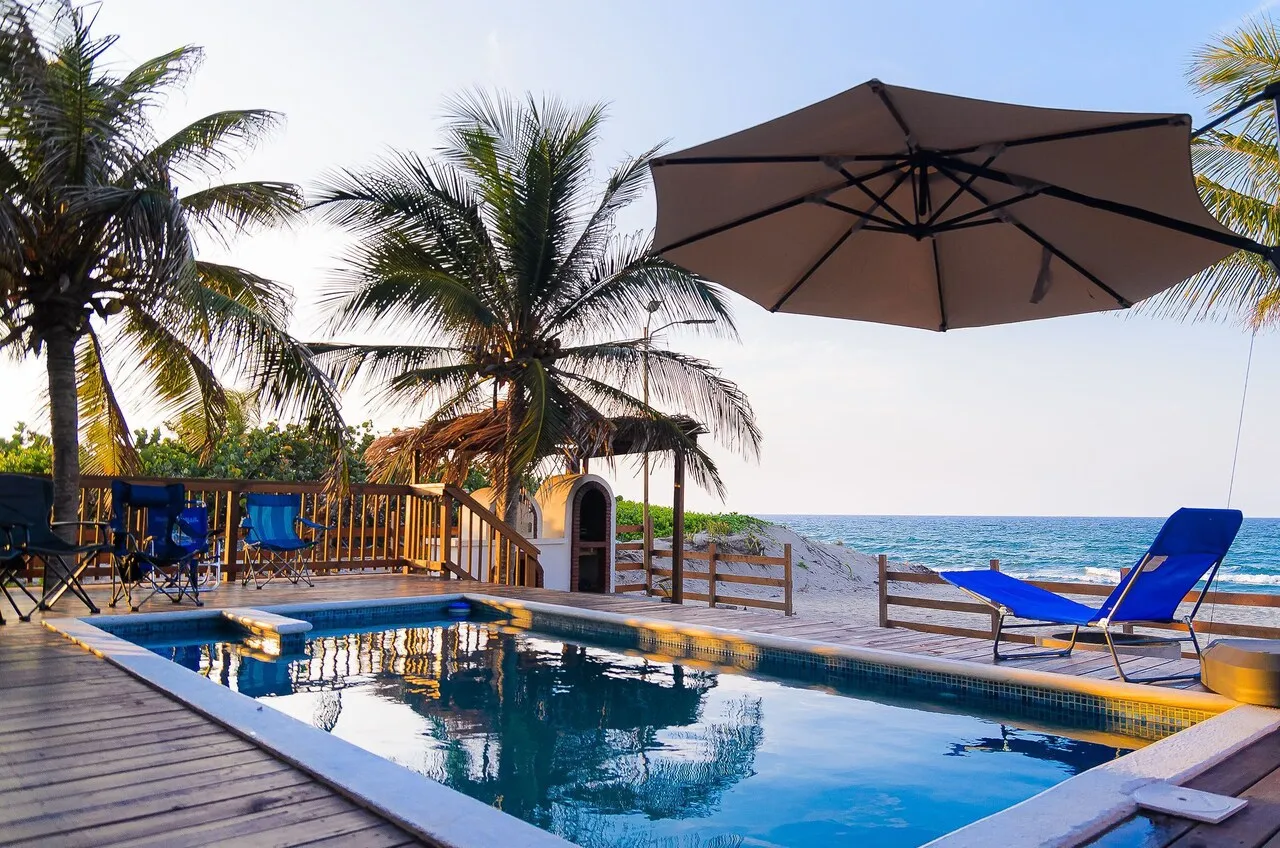
“Eco-friendly wooden villa on the beach in Jeannette Kawas National Park, with a private pool and a dock on the lagoon.”
Updated October 16, 2026
Cookies. If you accept, we use Google Analytics to count visits (statistics only, it does not tell us who you are). If you go on to book, the booking platform may use its own cookies.
