
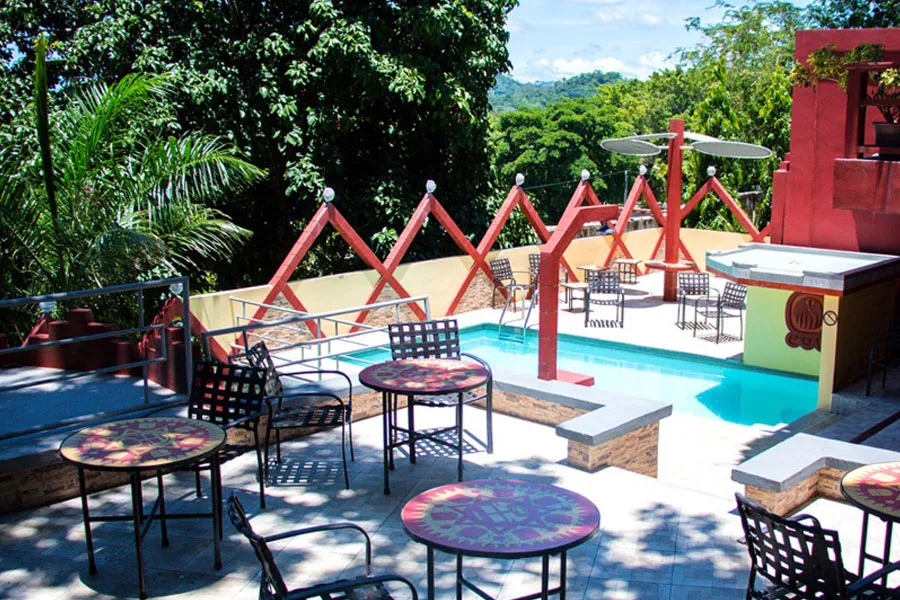
Hotel Maya Vista
“The best lookout over the whole Bay of Tela: 9 rooms with a sea view, pool, restaurant and bar, 400 m from the beach.”
From approx.US$ 94 /night2 people · varies by date
See hotel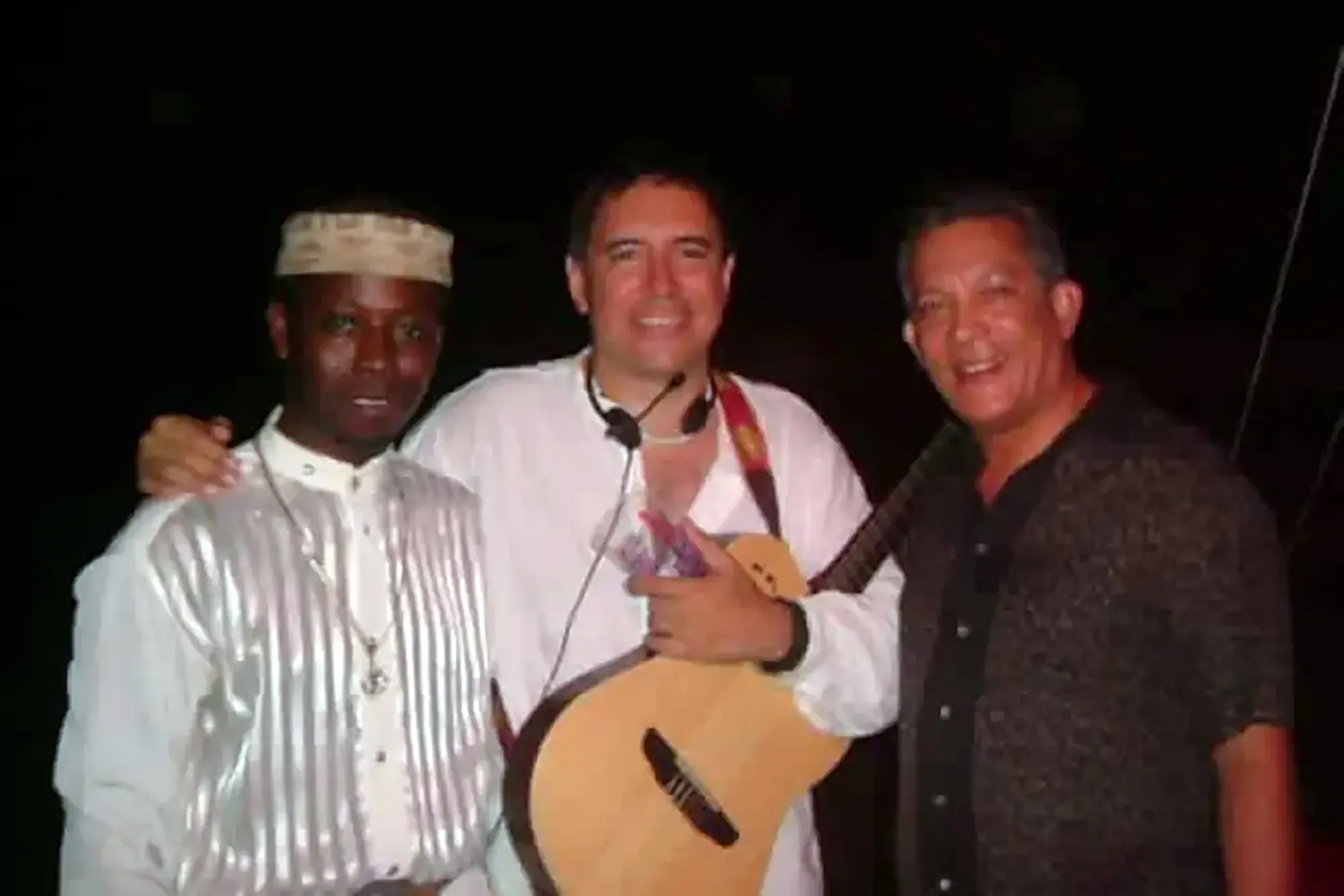
Ask any Honduran about “El encarguito” and chances are they know it by heart. Guillermo Anderson had that gift: he wrote about the north coast, its food, its sea and its people, and people recognized themselves in his songs.
He was born in La Ceiba on February 26, 1962, and died in the same city on August 6, 2016, at only 54. His music mixed punta and parranda with reggae, salsa, jazz and Garifuna drums, but what made it his own were the stories: ordinary people, life on the coast, the nature that needed looking after.
He wrote his first songs as a boy, at the Mazapán School in La Ceiba. Later he went to study Latin American literature at the University of California, Santa Cruz, where he also learned music and theater and worked with Chicano theater groups. His first album came out of that time, Para los chiquitos (1986), made for a bilingual theater project with immigrant children.
In 1987 he came home and decided to stay in La Ceiba. He founded Colectivartes, a space for artists, and from the coast he went out to sing all over Honduras, Latin America, Europe and Asia.
He recorded some twenty albums, the first ones on cassette. Among them are En mi país (1987), Retratos (1989), Rumor de mar (1995), Pobre marinero (2005), Encarguitos del Caribe (2005), Mujer canción mujer (2006) and Lluvia con sol (2012).
“En mi país” tells what it feels like to come back to a country full of contradictions, and some sing it as an alternative anthem of Honduras. “El encarguito” is the list of home foods that Hondurans abroad ask their families to send, and there is no gathering of migrants where it is not sung.
The songs from Para los chiquitos are still taught in many schools around the country. With them, several generations of Honduran children learned to love nature and the endangered animals of the tropics, and picked up some civic sense along the way that more than one adult could use.
Guillermo spent more than ten years traveling to La Mosquitia to learn about the ecology of the Río Plátano, and he lent his voice to education, health and environmental campaigns. In La Ceiba he founded the Círculo Juvenil de Tambores, a youth drum circle that taught Garifuna percussion to at-risk young people to keep them away from violence.
He received the National Art Prize in 2003, the National Identity Prize in 2005 and, after his death, the Pablo Zelaya Sierra National Art Prize. Since 2002 he had been a cultural ambassador of Honduras.
When Tela was fighting for Punta Sal to become a national park, Guillermo came to help with what he did best: he performed a song asking for it. It was a very moving moment in the campaign led by PROLANSATE with Jeannette Kawas at its head, which ended with the creation of the park in 1994, today Jeannette Kawas National Park (Punta Sal).
Years later, for the 2011 and 2012 national protected areas campaign, he wrote “Áreas Protegidas” (Protected Areas), where Punta Sal appears again:
In November 2015 he was diagnosed with a very aggressive thyroid cancer, and in August 2016 he was gone. On the day of the burial, lines of students followed the coffin from the cathedral to the cemetery in La Ceiba. That September, in the national holiday parades, his songs and his portrait came out. On the north coast people still sing him.
The photo above is one of those worth its weight in gold: Guillermo with Aurelio Martínez and Moisés Canelo, three of La Ceiba’s proudest sons. His friend and another giant of the coast, Aurelio Martínez was the ambassador of Garifuna music.
A Honduran singer-songwriter born in La Ceiba in 1962. He blended the folk music of the north coast with Caribbean and Garifuna rhythms, and wrote songs about nature, about people's lives and for children. He died in La Ceiba in 2016.
"En mi país", which many consider an alternative anthem of Honduras, "El encarguito", much loved by Hondurans living abroad, and "Pobre marinero".
He supported the campaign to create Punta Sal National Park and came to Tela to perform a song asking for it to be made a national park. Years later he wrote "Áreas Protegidas", in which he names Punta Sal.
“The best lookout over the whole Bay of Tela: 9 rooms with a sea view, pool, restaurant and bar, 400 m from the beach.”
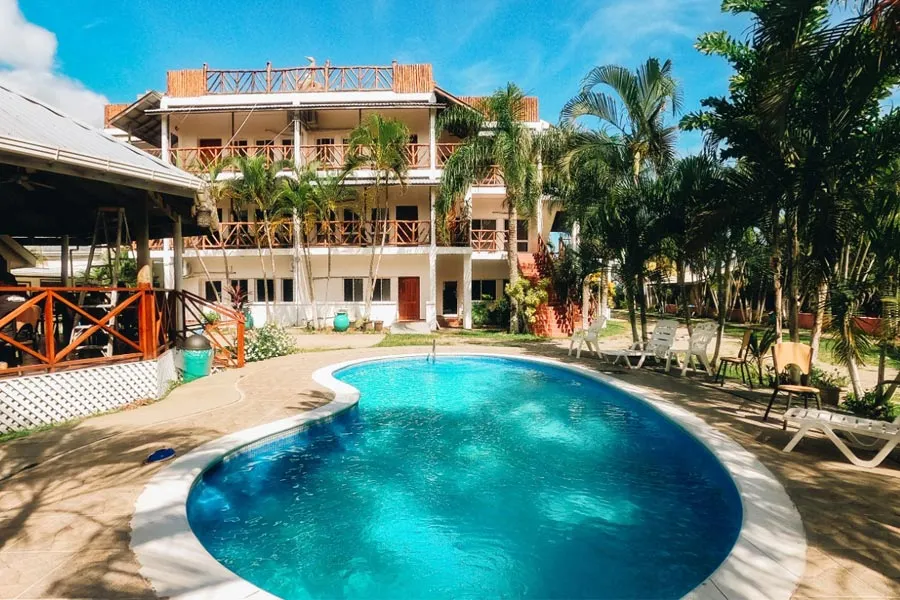
“A wide, clean beach far from the crowds, about 8 minutes by car from downtown. Pool, restaurant, bar and suites with a fridge.”
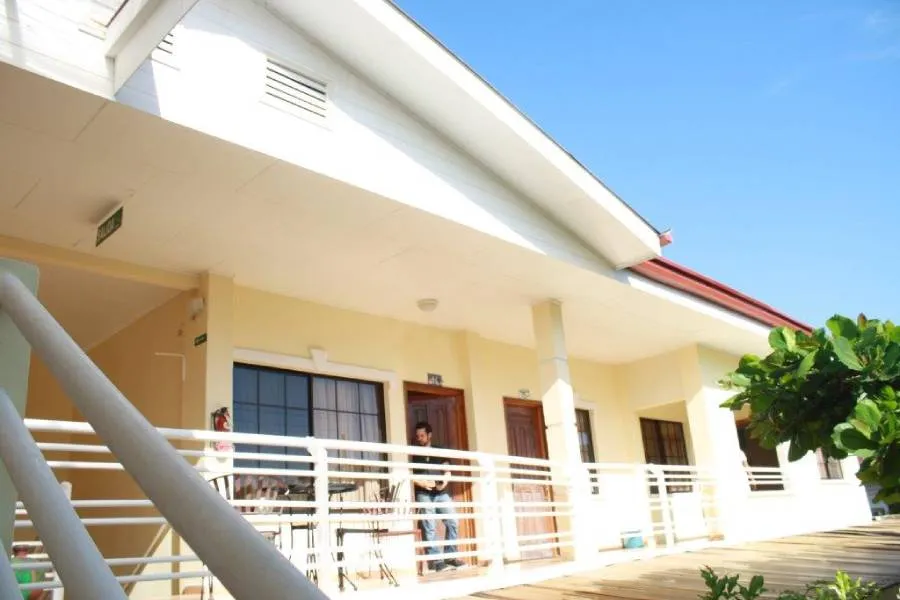
“Fresh fried fish, Garifuna style. 17 rooms and a pool, a block from the beach and a few steps from the Zona Viva.”
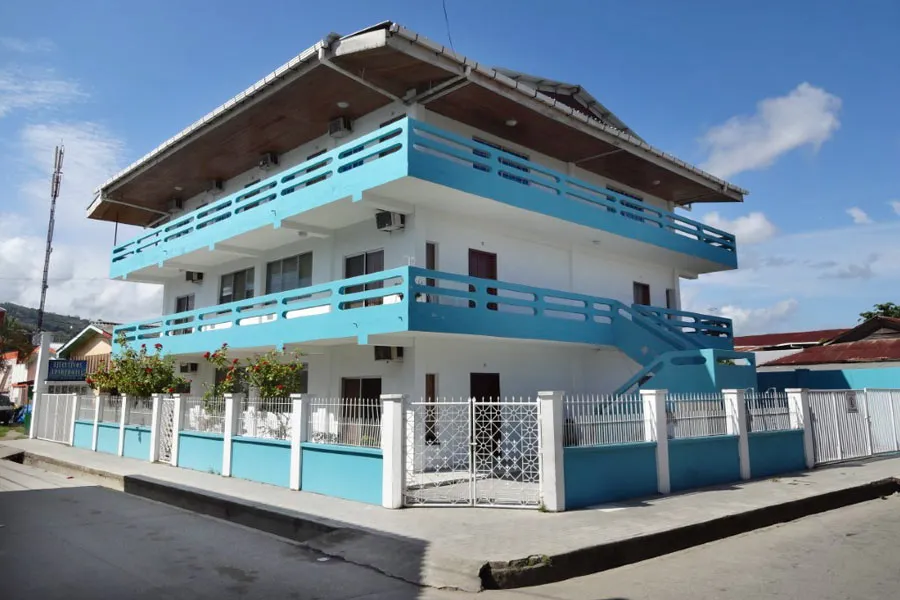
“Apartments with a kitchenette, two blocks from Central Park and three from the beach. Private parking, 24-hour security, wifi and A/C.”
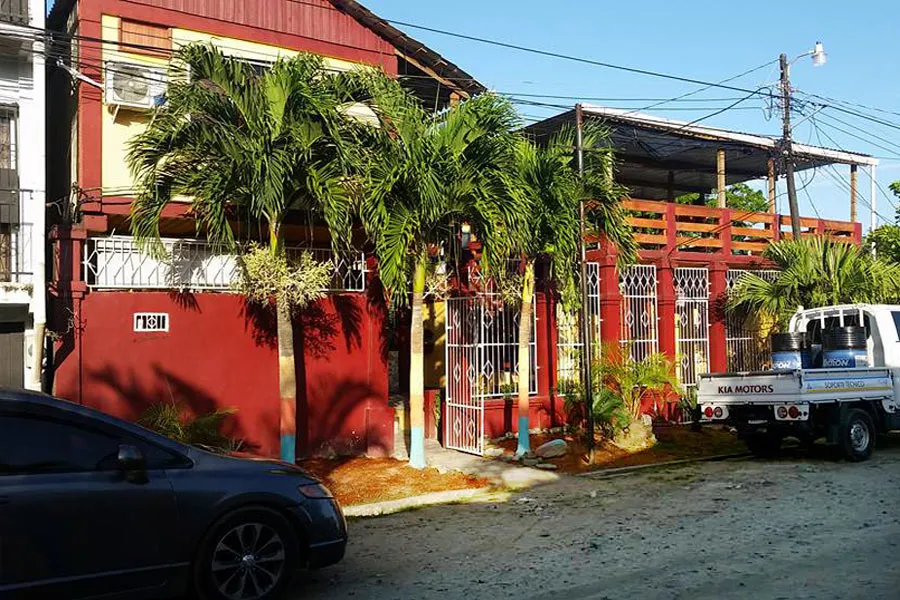
“Terrace with hammocks and a partial sea view, half a block from the beach. Inner garden, restaurant, bar and air conditioning.”
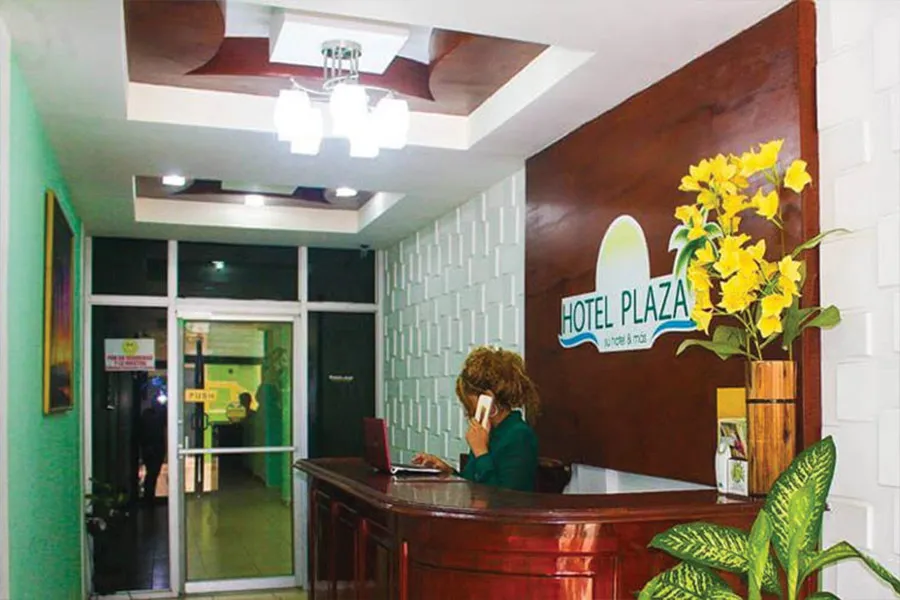
“One of the cheapest we know: simple but pleasant, 3 blocks from the park and 4 from the beach. Parking and wifi.”
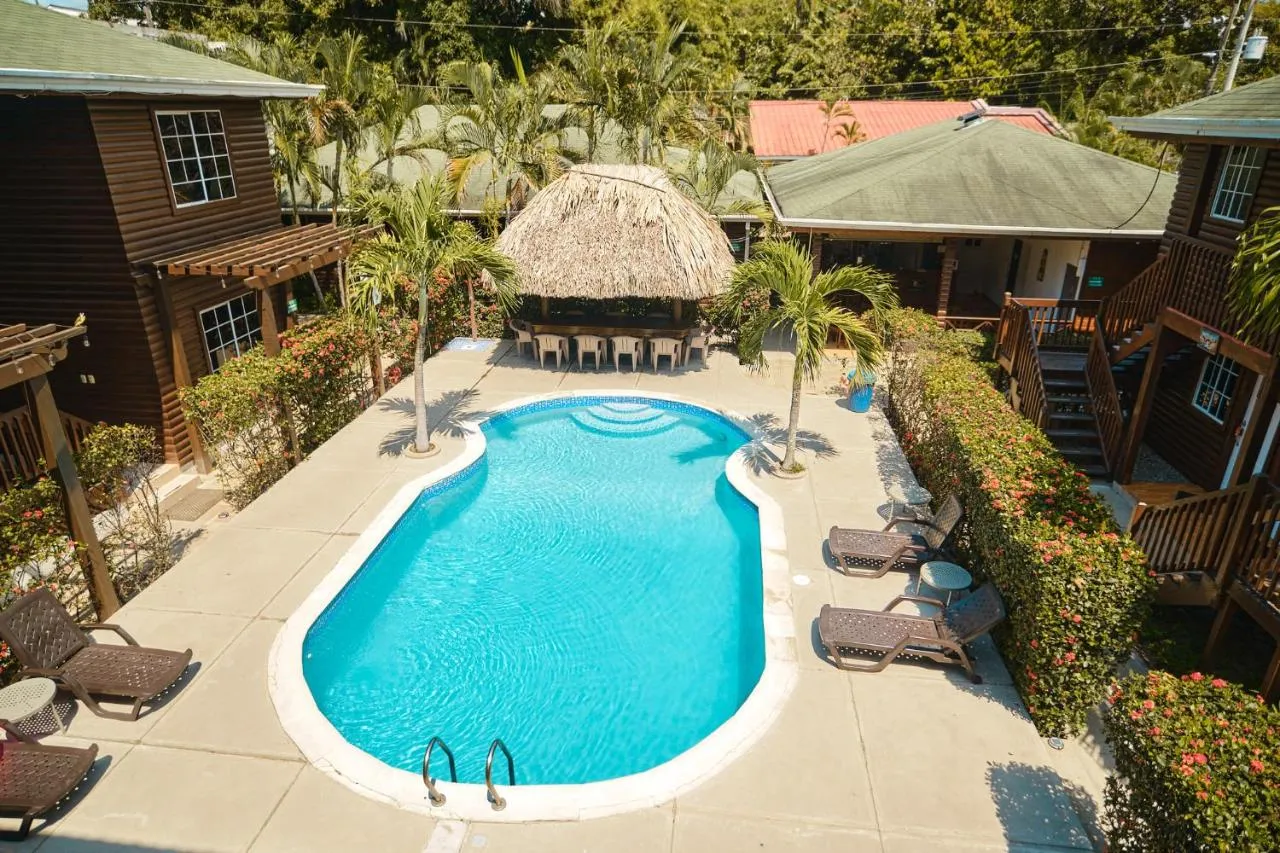
“Two-story wooden cabins around the pool, with a restaurant, bar and garden, about 100 meters from the beach.”
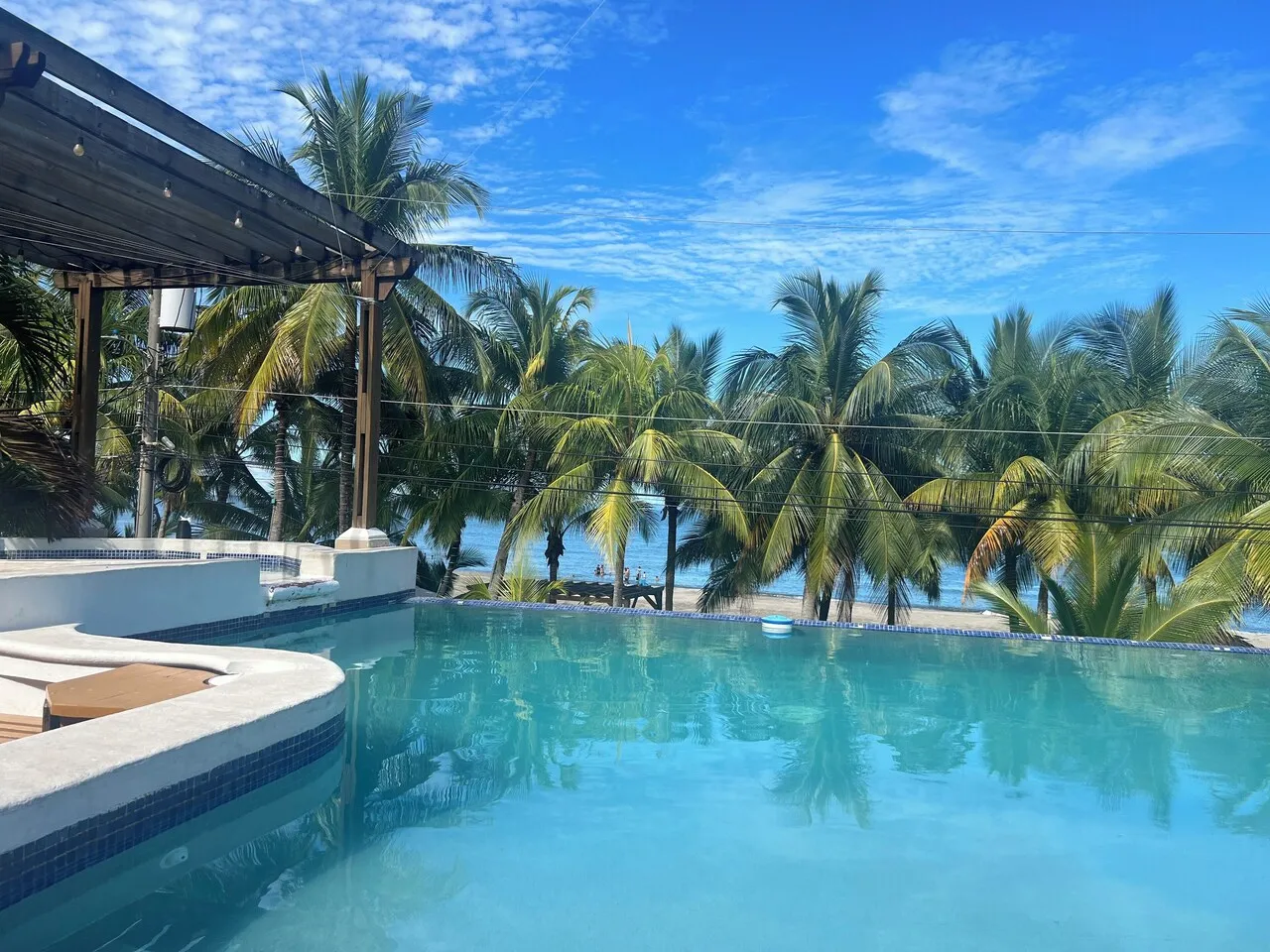
“On the sea, on the pedestrian street: pool with a sea view, breakfast included, restaurant and bar, 3 minutes from the park.”
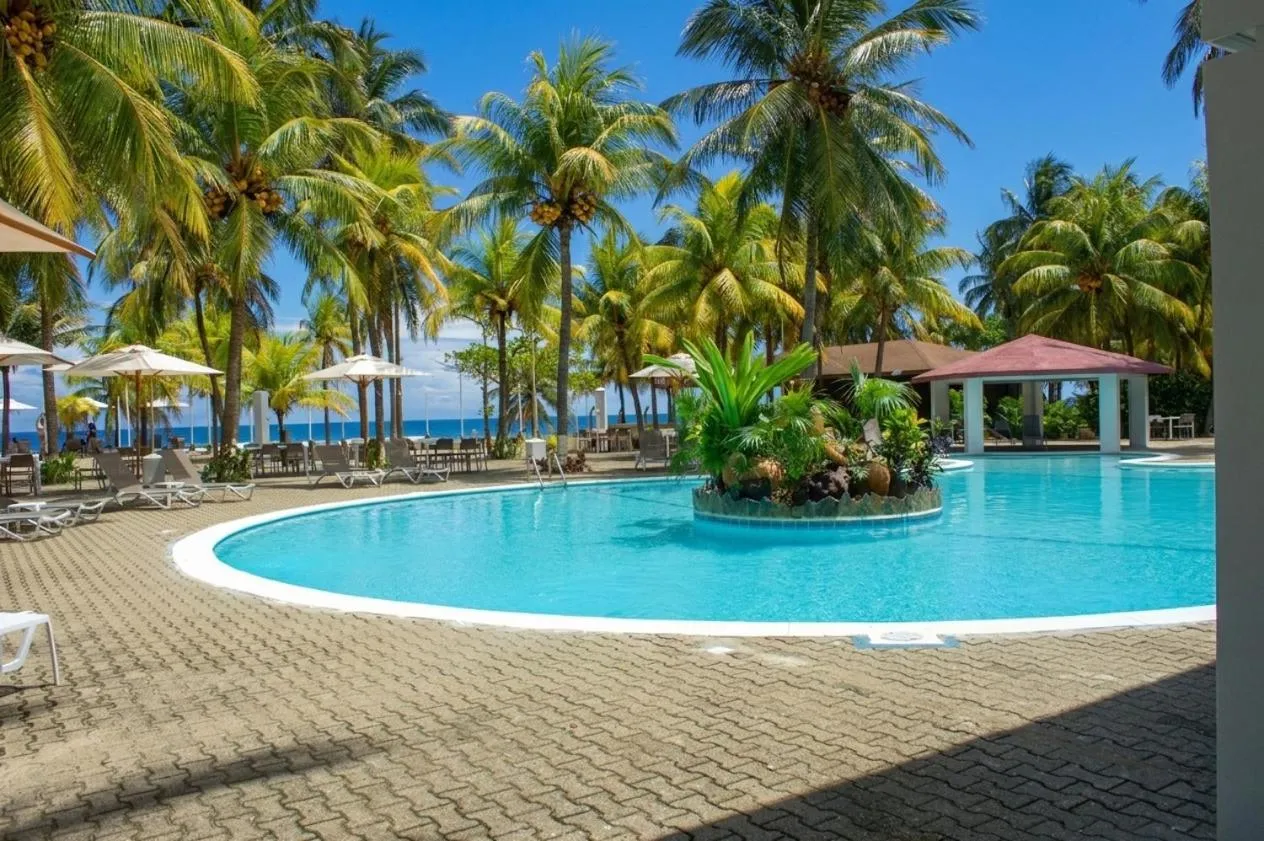
“4-star beachfront hotel next to the Garifuna village of San Juan, with 2 pools among palm trees, 2 restaurants and a bar.”
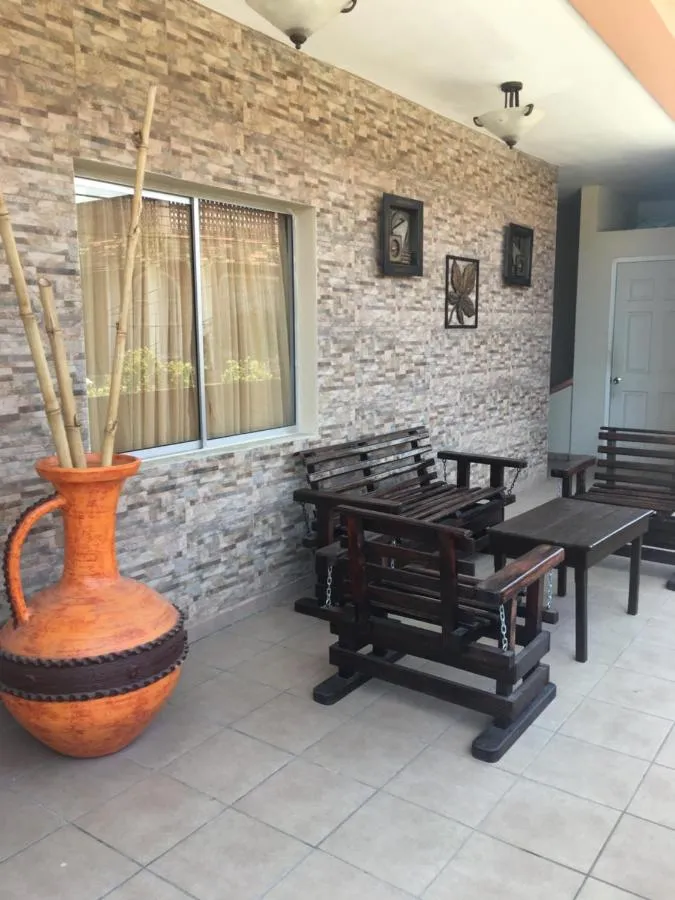
“Two-bedroom apartments with a kitchen, living room and terrace, about 300 meters from the beach. 24-hour front desk and free parking.”
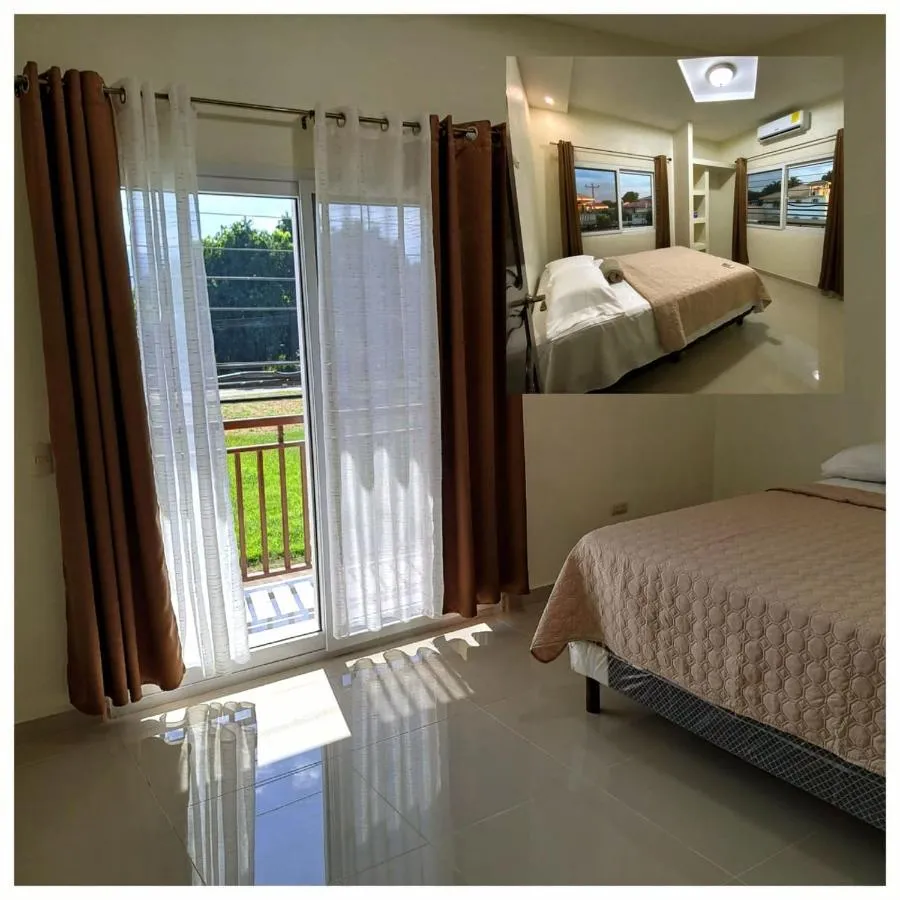
“New two-bedroom apartments with a kitchen and terrace, in the Porto Bello residential area, about 600 meters from the beach.”
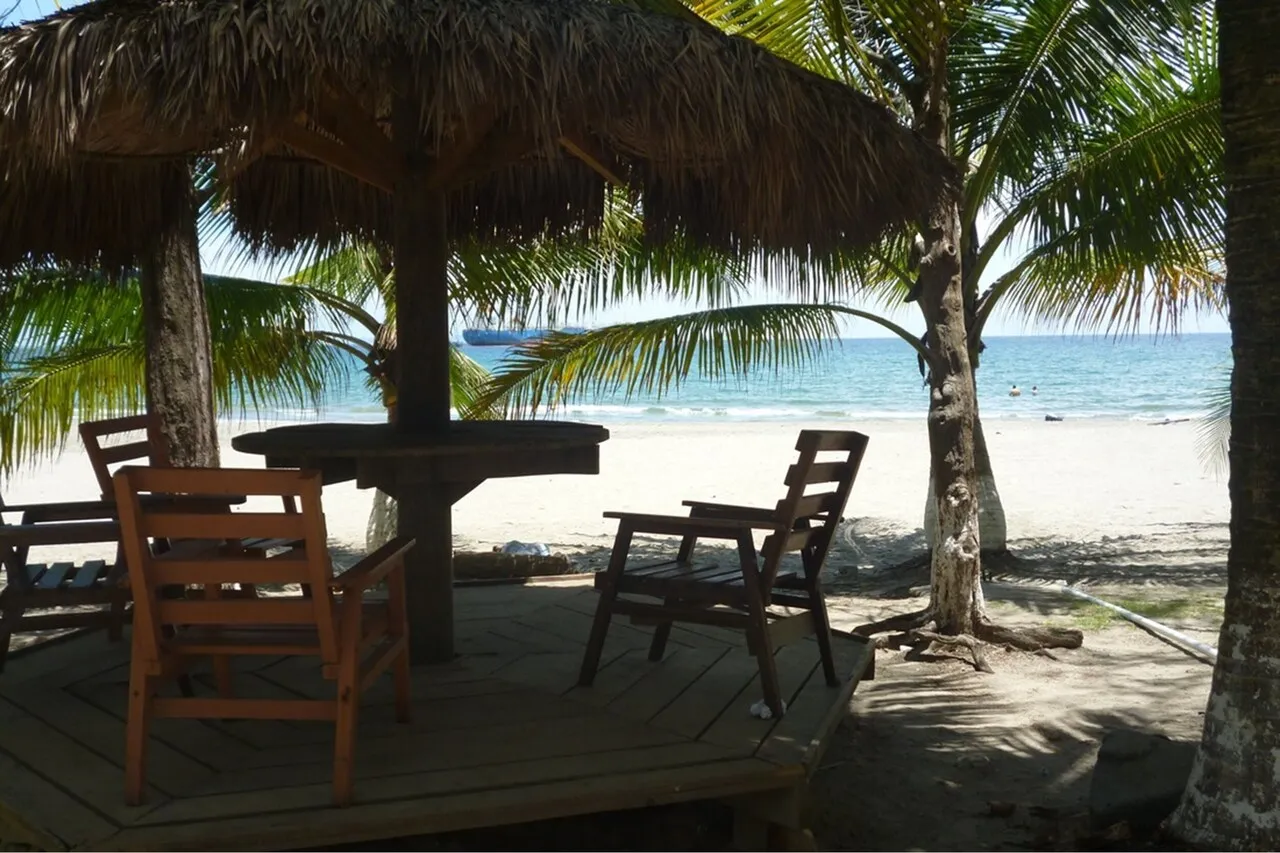
“Wooden hotel on the pedestrian street, with a pool, local breakfast included, restaurant, bar and massages, near the park.”
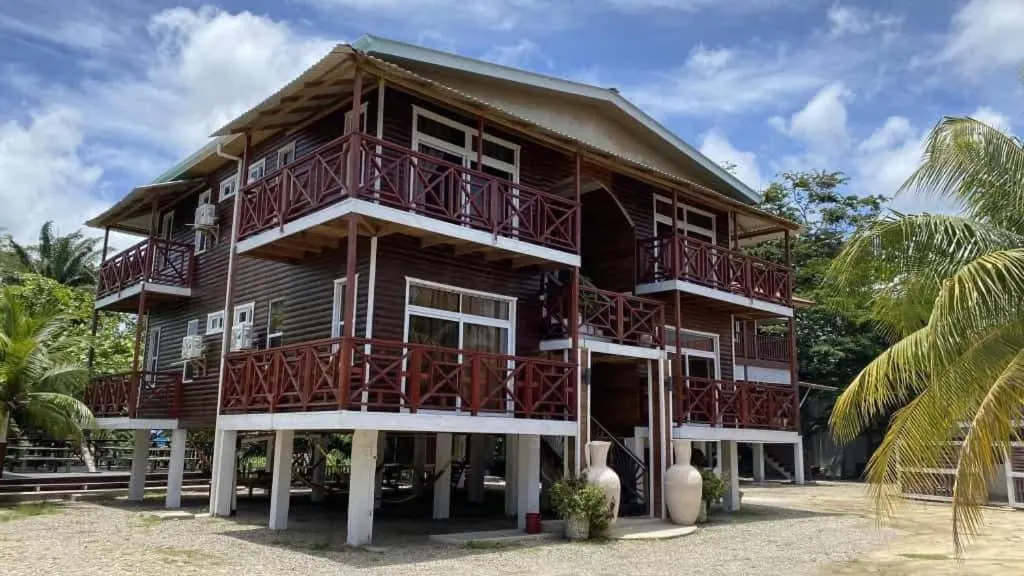
“Wooden building with balconies and river views, 200 meters from the beach downtown. Restaurant, garden and free parking.”
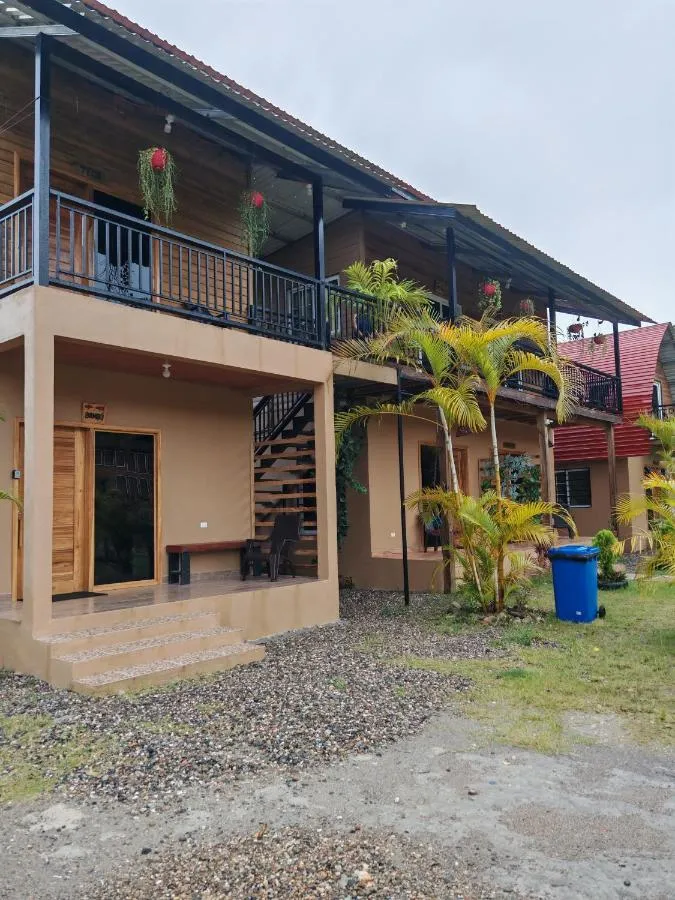
“Rooms with balconies and mountain views, surrounded by garden, in a quiet part of Tela. A/C, wifi and free parking.”
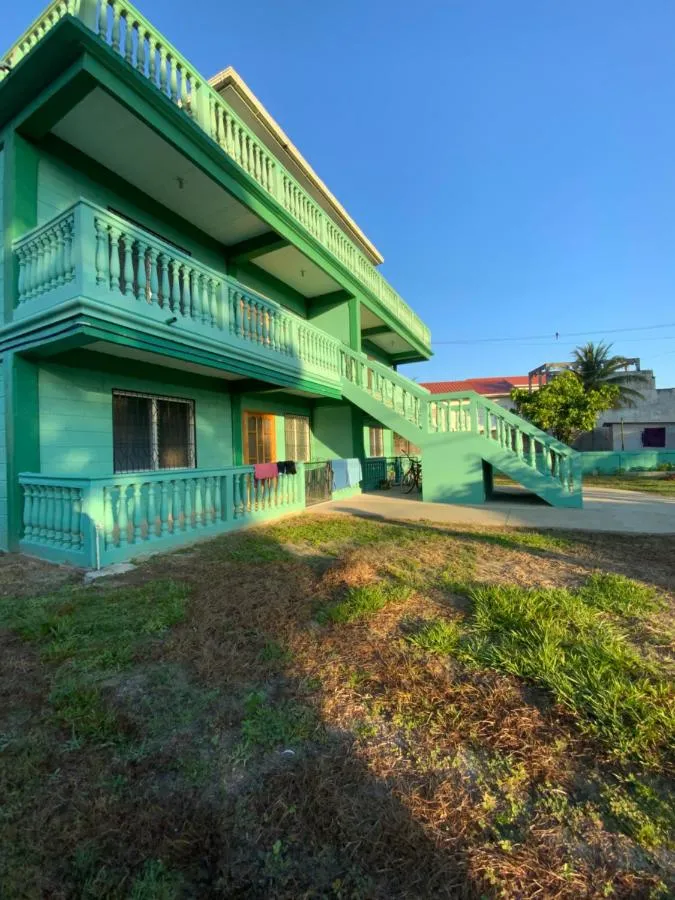
“Simple, welcoming hostel with private rooms or bunks, a shared kitchen and a garden. Pets stay free.”
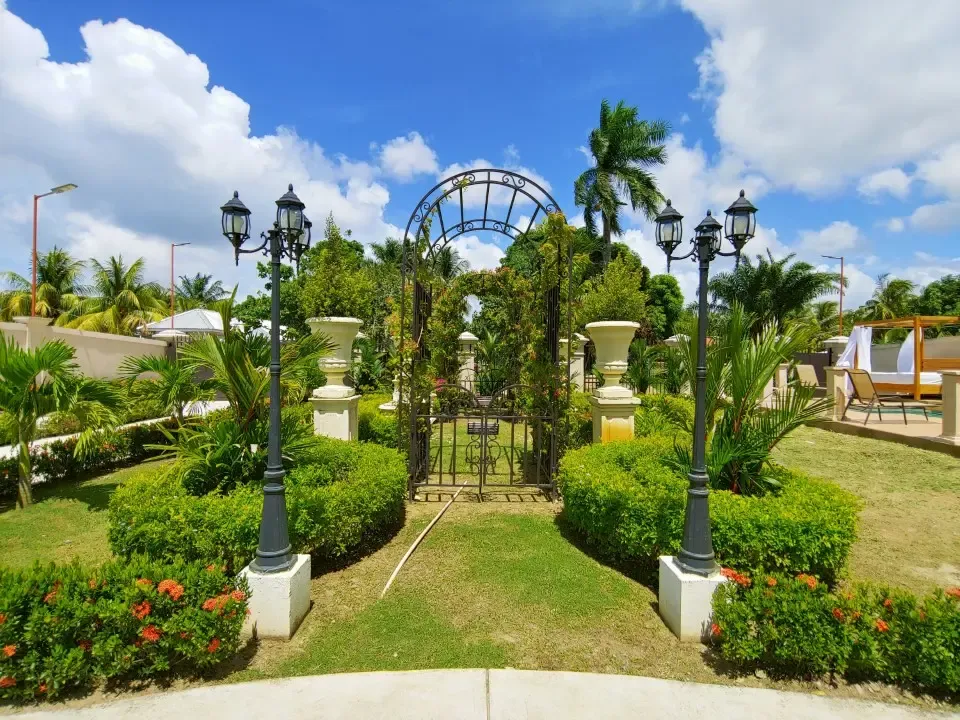
“Pool, hot tub, bar and a tree house for up to 12 guests, a few blocks from the beach and 10 minutes from Tela.”
“Villa with 5 bedrooms and 6 bathrooms for groups of up to 19 people, with a pool and a sea-view terrace, 90 m from the beach.”
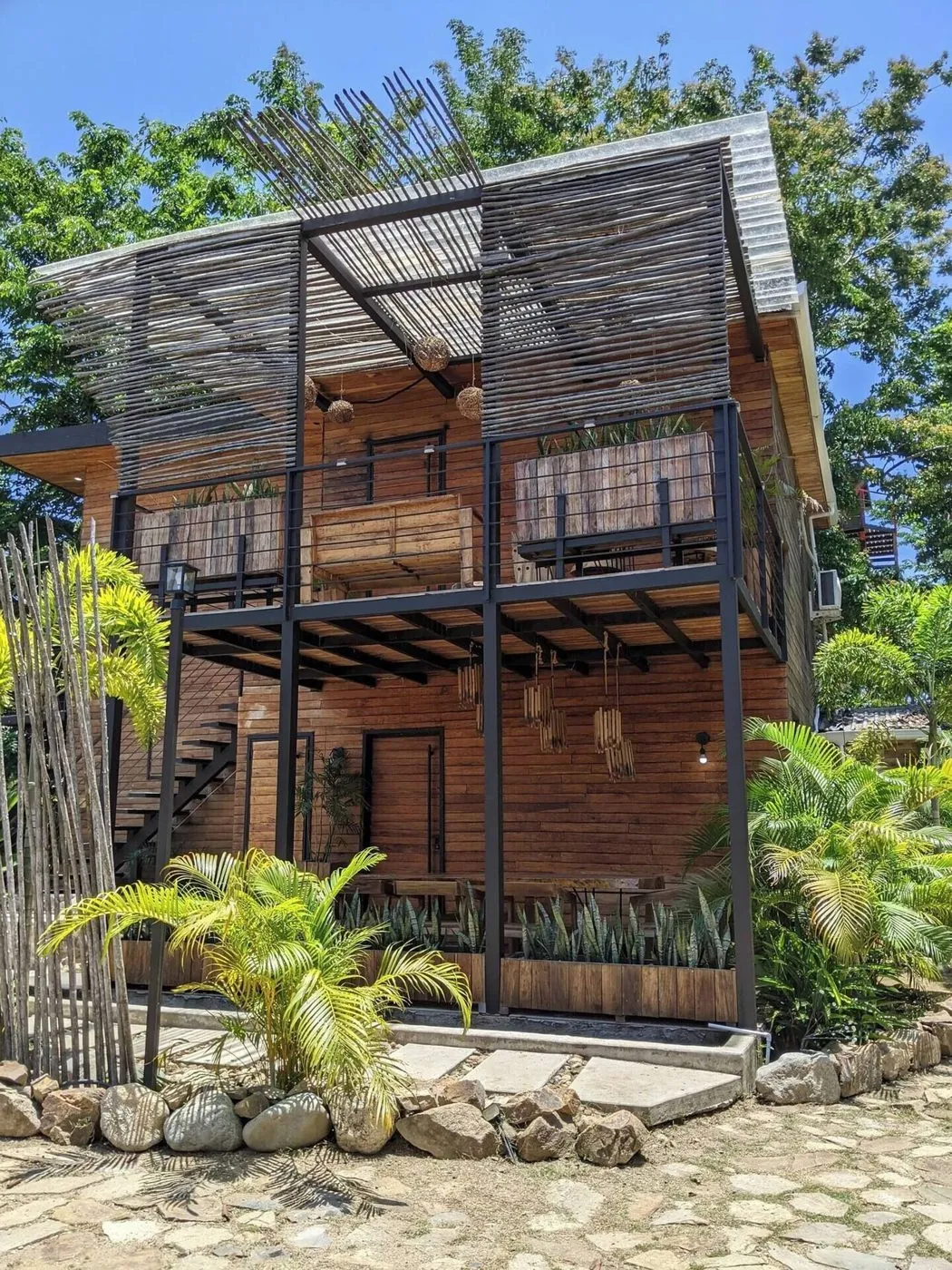
“Wooden house in a tropical garden in Triunfo de la Cruz: 6 bedrooms, a pool and room for 20 people. Pets allowed.”
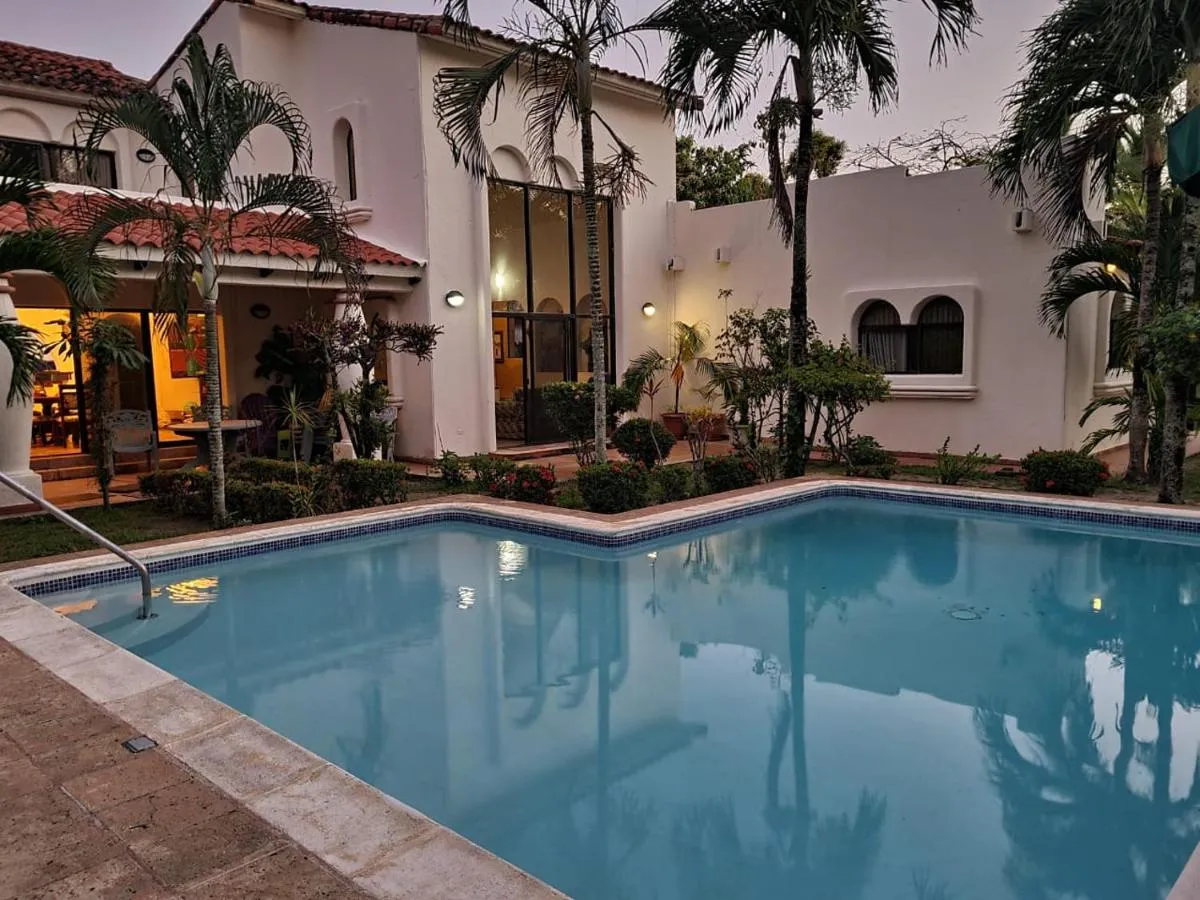
“Beachfront villa in Triunfo de la Cruz, full of colorful paintings: 3 bedrooms, 4 bathrooms, a private pool and a garden.”
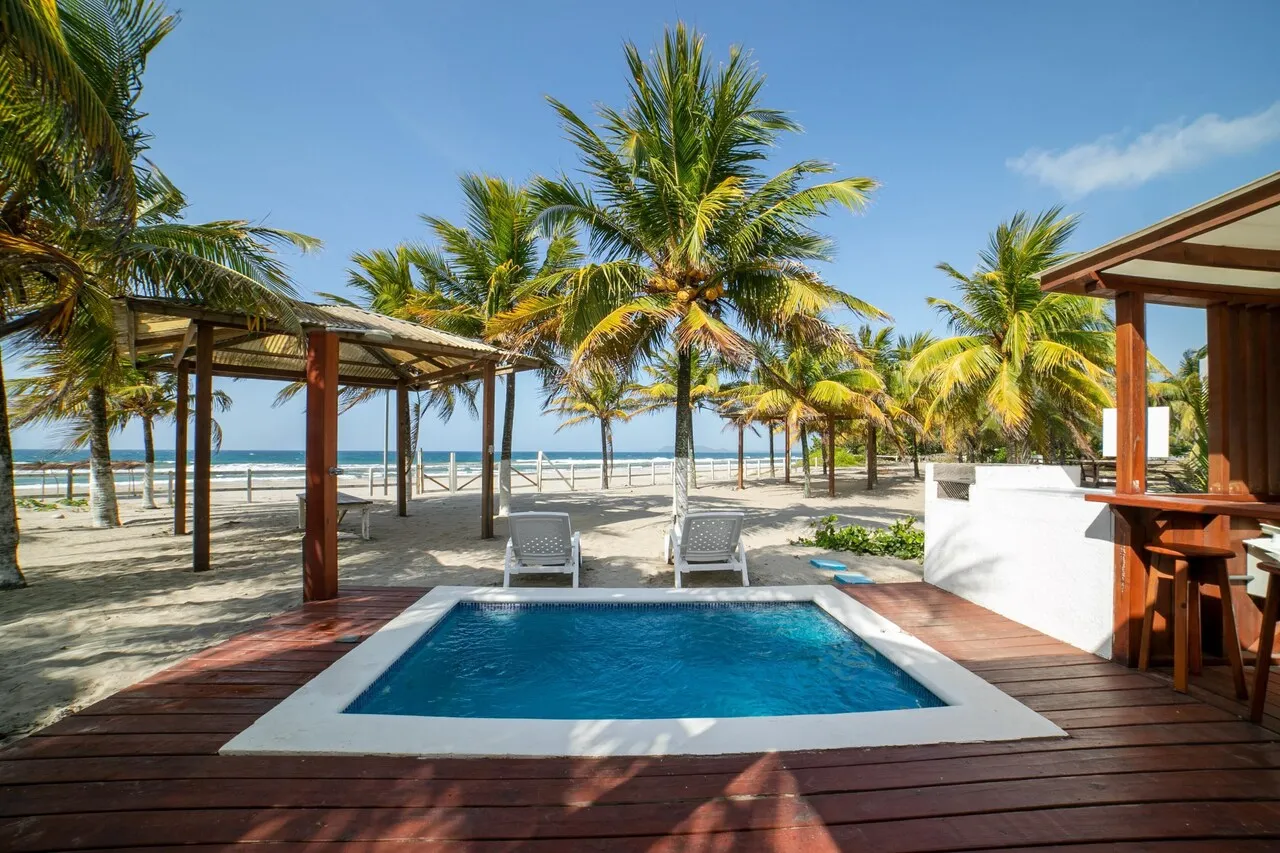
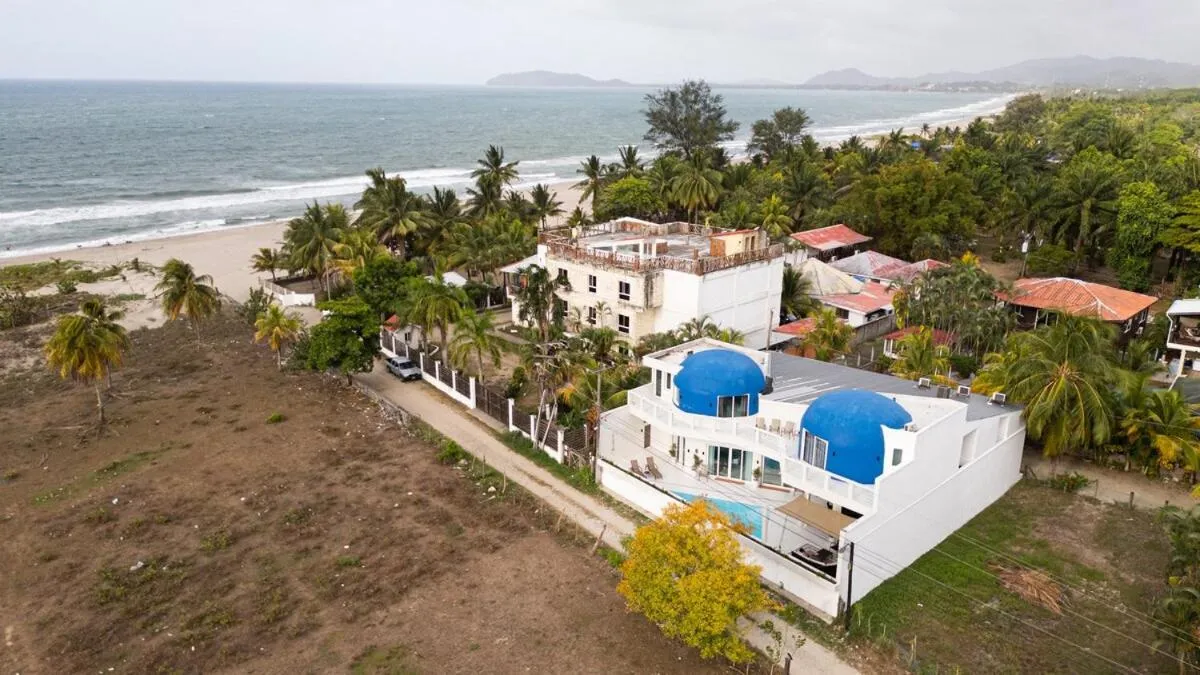
“Dome house on the beach in San Juan del Mar, with a private pool, outdoor bar and grill, for up to 8 people.”
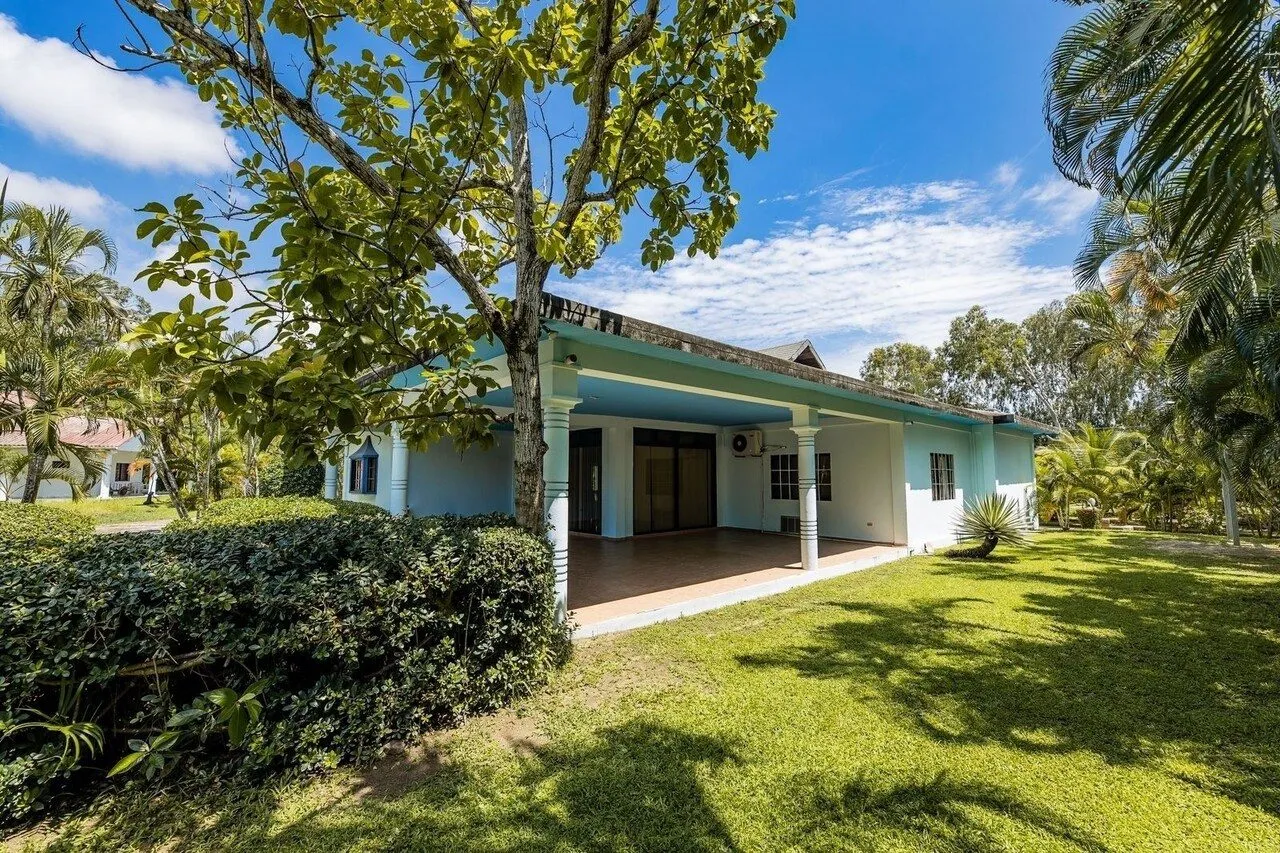
“House with a covered private pool in the Honduras Shores Plantation community, close to the beach and to Los Micos Lagoon.”
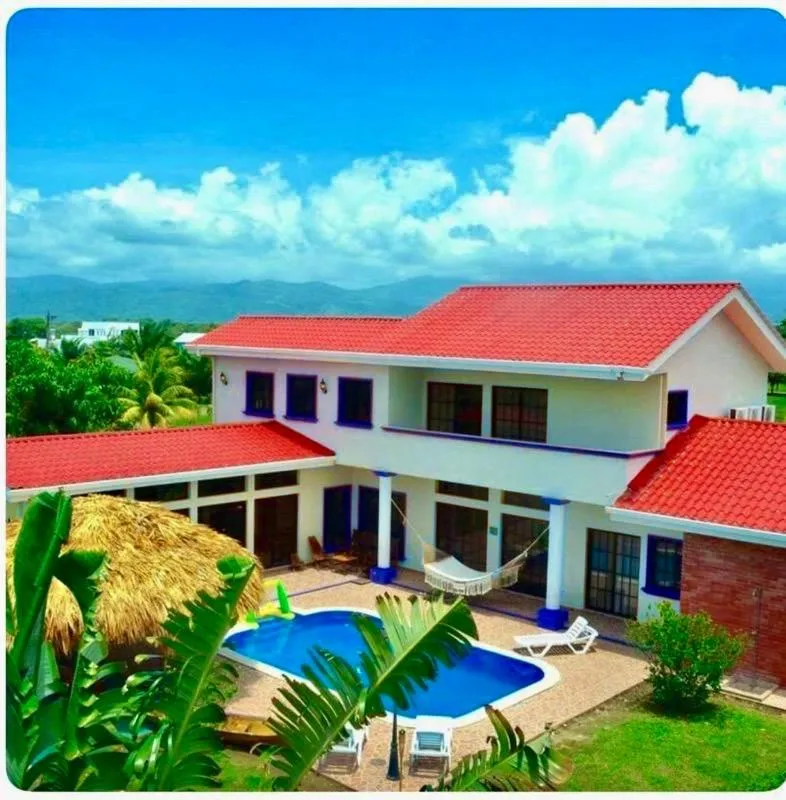
“3-bedroom house with a pool and garden in the Honduras Shores Plantation community, with a private beach area.”
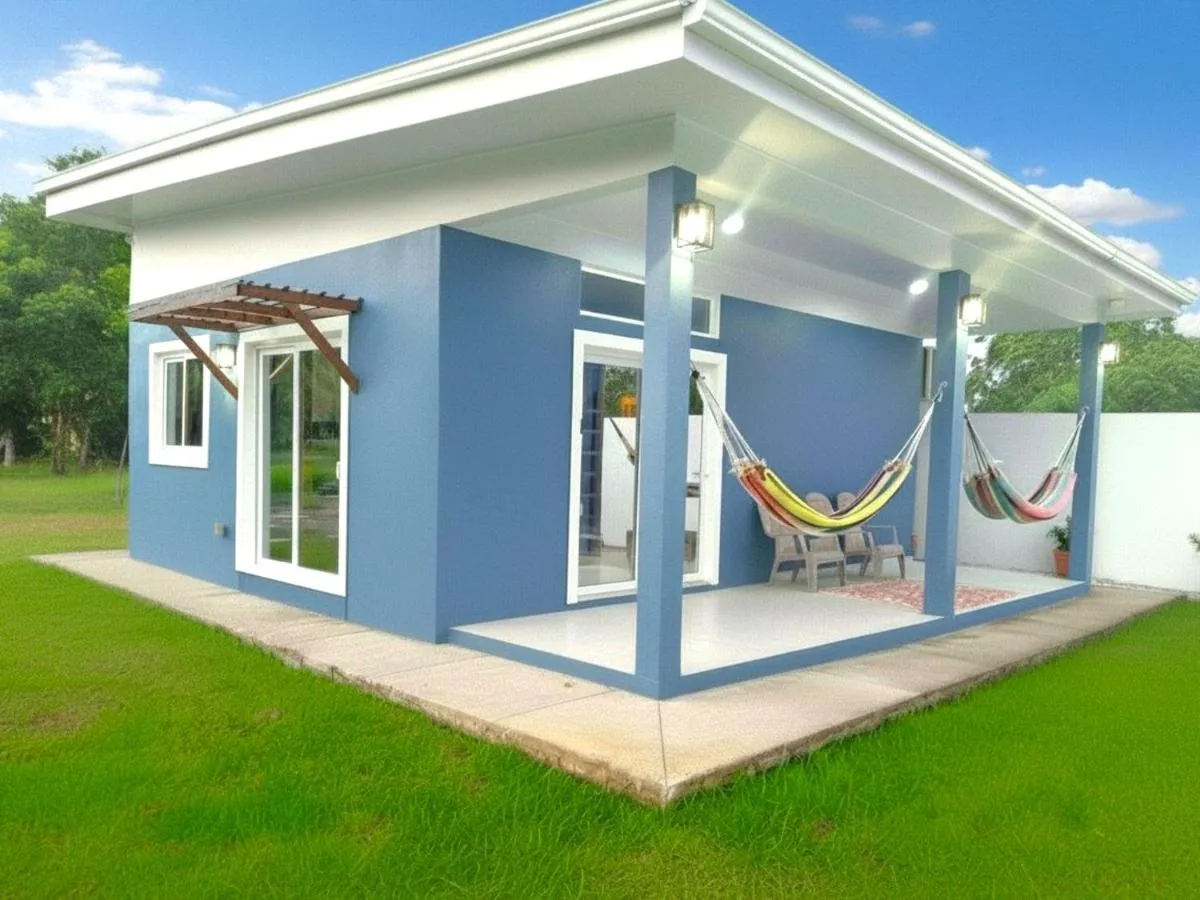
“New 1-bedroom villas with a kitchen and a porch with hammocks, in Laguna Negra, east of Tela, with a private beach area.”
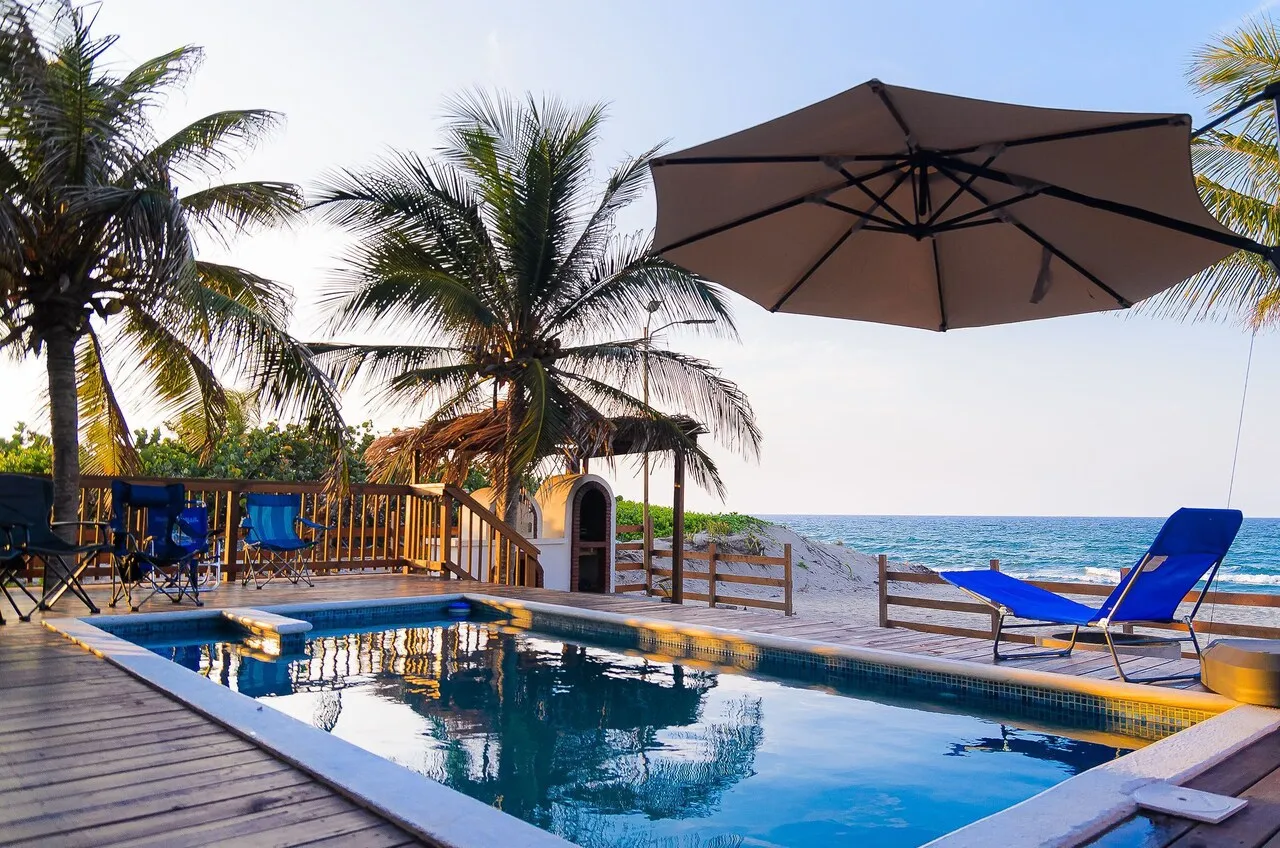
“Eco-friendly wooden villa on the beach in Jeannette Kawas National Park, with a private pool and a dock on the lagoon.”
Updated November 2, 2026
Cookies. If you accept, we use Google Analytics to count visits (statistics only, it does not tell us who you are). If you go on to book, the booking platform may use its own cookies.
